

Are Babies Conceived Through IVF Healthy? Debunking Misconceptions
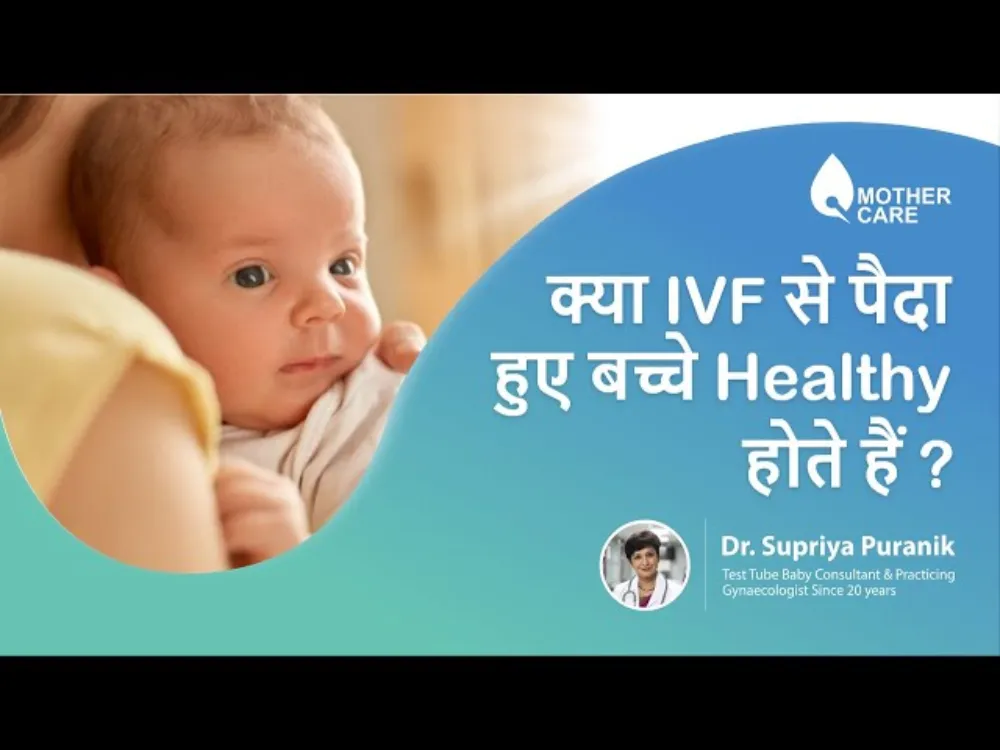
Yes, babies conceived through IVF are generally healthy and develop just like naturally conceived babies.
Extensive research shows that most IVF children grow, learn, and live completely normal lives, with risks similar to natural pregnancies.
Intro
One of the most frequently asked questions regarding in-vitro fertilization (IVF) is whether babies conceived through this method are healthy.
Many people wonder if there’s a higher chance of abnormalities or health issues in children born as a result of IVF.
In this blog, we will address these concerns and provide you with accurate, evidence-based information on the health of IVF-conceived babies.
A Brief History
The first test-tube baby was born in 1978 as a result of IVF due to the mother’s fallopian tubes being blocked.
That baby is now over 40 years old and has given birth to three healthy children, all conceived naturally.
This example alone should help to alleviate some concerns about the health of babies born through IVF.
However, let’s delve deeper into this topic to provide a comprehensive understanding.
Did You Know?
More than 13 million babies have been born worldwide through IVF, and the vast majority are healthy and lead completely normal lives. This makes IVF one of the most successful and safest medical advancements in modern reproductive medicine.
What Do Scientific Studies Say?
Large-scale studies from organizations such as the World Health Organization and the Centers for Disease Control and Prevention confirm that IVF babies generally have similar health outcomes to naturally conceived babies.
Research indicates that the slightly increased risks sometimes observed—such as low birth weight or premature delivery—are more strongly associated with parental factors like age and pre-existing medical conditions rather than IVF itself.
Debunking Misconceptions
It is essential to understand that if an embryo experiences any issues due to human error, infection, or air quality, it is unlikely to develop properly.
If it does develop, its grade may not be considered suitable for implantation. Therefore, the notion that IVF can result in abnormalities should be discarded.
According to various studies, the percentage of abnormal pregnancies in natural conception is around 4%.
In IVF cases, this number is slightly higher at 7-8%. However, this difference can be attributed to the generally higher age of patients undergoing IVF and the presence of intrinsic factors that may contribute to abnormalities in babies.
Chromosomal or genetic defects in sperm or eggs can result in abnormal babies, but this risk is present in both natural pregnancies and IVF-conceived pregnancies.
The development of an embryo, whether naturally conceived or through IVF, starts with a single cell that divides through cell division.
If a small part of a chromosome is lost or an unequal division occurs, chromosomal disorders may result.
However, the chances of this happening are the same in both IVF and natural pregnancies.
Are There Any Risks with IVF?
While IVF is considered safe and effective, it is important to understand potential risks.
These may include a slightly higher chance of multiple pregnancies, premature birth, or low birth weight.
However, modern IVF practices now prioritize single embryo transfer, which significantly reduces these risks.
With careful monitoring and advanced medical care, most IVF pregnancies result in healthy outcomes.
Emphasizing the Positive
IVF is a medical breakthrough that has provided countless couples with the opportunity to become parents.
It is crucial to let go of misconceptions surrounding the health of babies conceived through IVF and not allow these concerns to overshadow the potential benefits of this life-changing procedure.
Rest assured that once you conceive a baby through IVF, your healthcare team will perform all necessary scans and tests, such as double marker, NIPT, and triple marker tests, to ensure your baby is healthy and normal.
These tests provide valuable information on any potential anomalies or genetic defects, allowing you to have confidence in your child’s well-being.
Long-Term Health and Development of IVF Babies
Research following IVF-conceived children into adolescence and adulthood has shown very reassuring results.
These children typically experience normal physical growth, cognitive development, and academic performance.
There is no consistent evidence that IVF affects intelligence, behavior, or long-term health.
Many IVF-conceived individuals go on to live completely healthy lives and can even conceive naturally themselves.
IVF vs Natural Pregnancy: Health Comparison
- Birth defect risk: Similar (slightly higher in IVF due to parental factors)
- Physical development: Same
- Intelligence & learning: Same
- Long-term health: Same
- Medical monitoring: Higher in IVF pregnancies
Frequently Asked Questions
1. Are IVF babies different from normal babies physically?
No, IVF babies look and grow just like naturally conceived babies.
2. Is the success rate of IVF linked to baby health?
Yes, higher success rates often indicate better embryo quality and healthier outcomes.
3. Does IVF increase the chances of twins or triplets?
Yes, IVF can increase multiple pregnancies, but modern methods reduce this risk.
4. Are IVF babies born earlier than normal babies?
IVF babies may have a slightly higher chance of premature birth.
5. Does the IVF process affect the baby’s DNA?
No, IVF does not change the baby’s DNA; it only assists fertilization.
6. Are male and female IVF babies equally healthy?
Yes, there is no difference in health based on gender in IVF babies.
7. Does frozen embryo transfer affect baby health?
No, babies from frozen embryos are just as healthy as those from fresh transfers.
8. Can lifestyle factors affect IVF baby health?
Yes, parental health, diet, and lifestyle can impact the baby’s health.
9. Do IVF babies need special care after birth?
No, most IVF babies do not require special care beyond standard newborn care.
10. Has IVF improved over the years in terms of safety?
Yes, advancements in technology have made IVF safer and more effective.
Conclusion
In conclusion, the risks associated with the health of babies conceived through IVF are similar to those in natural conception.
It is important to focus on the incredible opportunity that IVF provides for couples who may otherwise be unable to have children.
Stay informed, trust in the expertise of your healthcare team, and remember that a healthy and happy baby is the ultimate goal for everyone involved.
If you have any questions or concerns about IVF and the health of babies conceived through this process, please feel free to reach out to us.
Our compassionate and knowledgeable team is here to support you in your journey to parenthood.

-
About Author
Dr. Supriya Puranik
Gynaecologist & IVF Specialist
MMC -072514 (1993)
Dr. Supriya Puranik, a renowned gynaecologist and infertility expert, leads the IVF & Gynaecology department at Sahyadri Hospitals Momstory in Shivaji Nagar, Pune. She is committed to helping couples overcome infertility challenges.
Appointment On Call


