Cheese During Pregnancy: What’s Safe and What’s Not?
ON THIS PAGE

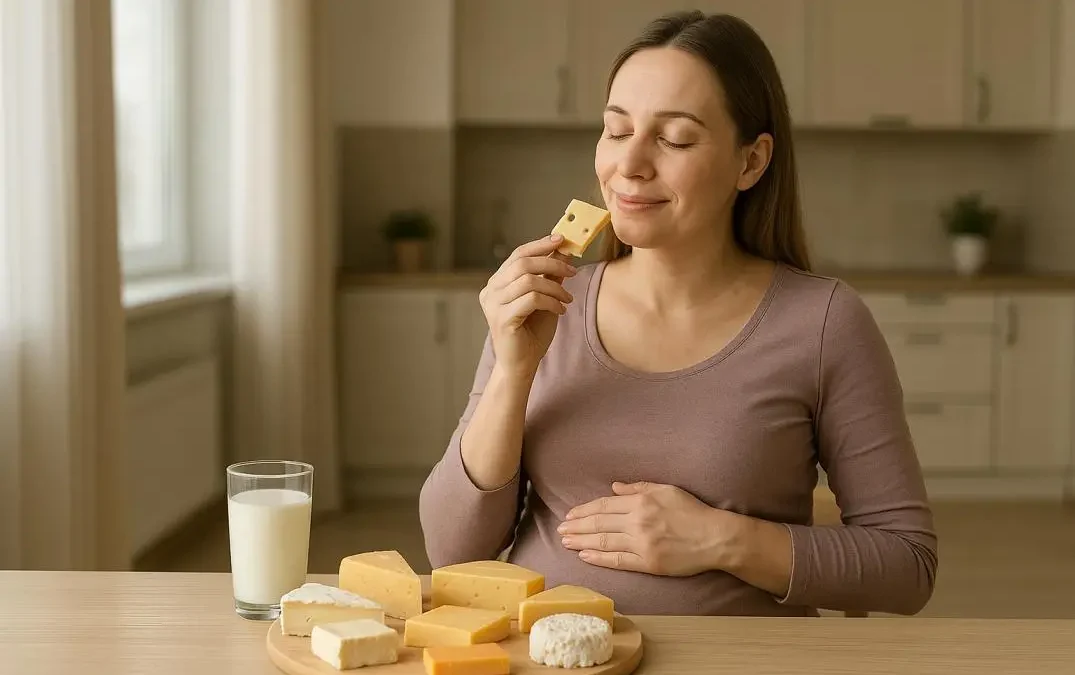
Cheese is a beloved part of many diets, adding flavor and nutrition to countless meals.
But if you’re pregnant, you might find yourself questioning whether it’s safe to indulge in your favorite cheeses.
This confusion stems from concerns about harmful bacteria and the impact they can have on both you and your baby.
To give you peace of mind, this comprehensive guide will explore the safety of consuming cheese during pregnancy, the risks associated with listeria, and which cheeses are safe and unsafe.
We’ll also discuss pasteurization, the nutritional benefits of cheese, and offer tips on choosing and eating cheese safely.
Why Cheese Safety Matters During Pregnancy?
During pregnancy, your immune system is naturally suppressed to protect your baby, making you more vulnerable to certain infections.
One such infection is listeriosis, caused by Listeria monocytogenes.
This bacterium is rare but dangerous, capable of causing severe complications like miscarriage, premature birth, or infections in newborns.
Cheese, particularly soft and unpasteurized varieties, is one of the foods most frequently linked to listeria outbreaks.
Understanding which types of cheese are safe to consume during pregnancy is crucial to minimizing risks and maintaining a healthy diet.
The Risks of Eating Unsafe Cheese During Pregnancy
1. Listeria Risk in Pregnancy
Listeria can survive and grow in foods even at refrigerator temperatures, making certain cheeses a potential hazard.
Pregnant women are estimated to be 10 times more likely than the general population to get listeriosis.
Symptoms can include fever, muscle aches, nausea, and diarrhea, and while mild for the mother, listeriosis can profoundly affect the baby.
2. Unpasteurized Cheese
Unpasteurized (raw) milk is a common culprit behind listeria contamination. Any cheese that’s made from unpasteurized milk has a higher risk of containing harmful bacteria.
This applies to many types of soft, fresh, and blue-veined cheeses.
Cheeses That Are Unsafe During Pregnancy
Avoid These Types of Cheeses:
- Soft Cheeses Made from Unpasteurized Milk
Examples include: - Brie
- Camembert
- Chèvre (goat cheese)
- Limburger
- Queso fresco and queso blanco
- Blue-veined Cheeses
Examples include: - Roquefort
- Gorgonzola
- Stilton
- Soft Cheeses Labeled as Surface-Ripened
These cheeses are more likely to encourage bacterial growth.
The common thread among these cheeses is their moisture content, which provides an ideal environment for bacteria like listeria to thrive.
Why Cooking Can Make Unsafe Cheeses Safer?
The good news is that most harmful bacteria in cheese can be killed through heat. If you absolutely love a particular soft cheese, make sure it’s cooked until it bubbles.
For instance, baked Brie or melted goat cheese in pasta can make these favorites safer to eat!
Safe Cheeses for Pregnancy
Luckily, many cheeses are safe to enjoy while pregnant and can even be a valuable addition to your diet.
These are typically cheeses made from pasteurized milk, as the pasteurization process involves heating milk to a temperature that kills harmful bacteria.
Examples of Safe Cheeses:
- Firm and Hard Cheeses
- Cheddar
- Parmesan
- Swiss
- Gouda
- Semi-Soft Cheeses
- Havarti
- Provolone
- Monterey Jack
- Soft Cheeses Made from Pasteurized Milk
- Cream cheese
- Mozzarella
- Cottage cheese
- Ricotta
- Processed cheese like American cheese
Look for the label “made with pasteurized milk” to ensure safety. When in doubt, consult your pregnancy specialist or avoid the cheese altogether.
The Role of Pasteurization
Pasteurization is a heating process that eliminates harmful bacteria such as listeria, salmonella, and E. coli.
Cheeses made from pasteurized milk are considered far safer for pregnant women than those made from raw milk.
⇒How to Identify Pasteurized Cheese?
- Label Reading
Always check the product label for the term “pasteurized milk.” If it’s unclear, don’t hesitate to ask the vendor or contact the manufacturer. - Shop at Trusted Stores
Reputable grocers and supermarkets often carry pasteurized dairy products. - Avoid Homemade Cheeses
Homemade or artisan cheeses may not have undergone pasteurization, so enjoy them with caution.
Nutritional Benefits of Cheese During Pregnancy
Cheese isn’t just a delicious treat; it also offers several nutritional benefits that can support your pregnancy. Here’s why cheese can be a great addition to your diet:
1. Calcium
Cheese is an excellent source of calcium, which is crucial for your baby’s developing bones and teeth. It also supports healthy nerve function and muscle contraction.
- How Much You Need: During pregnancy, your body requires around 1,000 mg of calcium per day. Cheese can easily help you meet this goal.
2. Protein
Protein is essential for your baby’s growth and development, and cheese provides a high-quality source. Cheddar cheese, for example, contains about 7 grams of protein per ounce.
3. Vitamins and Minerals
Cheese contains important nutrients like:
- Vitamin B12: Vital for red blood cell production.
- Phosphorus: Helps build strong bones and teeth.
- Zinc: Supports immune function and cellular growth.
4. Healthy Fats
Cheese offers a natural source of dietary fats, which are important for brain development in the fetus.
Tips for Choosing and Eating Cheese Safely During Pregnancy
1. Stick to Pasteurized Cheeses
Always verify that the cheese is made from pasteurized milk. Steer clear of raw milk products.
2. Be Cautious With Soft Cheeses
Opt for soft cheeses with a clear pasteurization label, or choose hard cheeses if you’re unsure.
3. Store Cheese Properly
Keep cheese in the fridge at a temperature of 40°F (4°C) or lower to prevent bacterial growth. Seal all opened packages tightly.
4. Avoid Pre-Cut Cheeses
Pre-sliced, pre-grated, or pre-packaged cheese can harbor bacteria if not handled properly. Buy whole blocks and cut them yourself.
5. Consume in Moderation
While cheese is nutritious, it can also be high in sodium and saturated fats. Balance it with other nutrient-rich foods like fruits, vegetables, whole grains, and lean proteins.
6. When in Doubt, Consult Your Doctor
If you’re unsure about a particular cheese, discuss it with your healthcare provider to make an informed choice.
Final Thoughts
Cheese can be a delightful and nutritious part of your pregnancy diet when chosen and consumed carefully.
Understanding which cheeses are safe and the importance of pasteurization plays a pivotal role in protecting both you and your baby from the risk of listeriosis.
Focus on pasteurized options like cheddar, mozzarella, and cream cheese, and avoid raw milk cheeses. When enjoying soft cheeses, make sure they are fully cooked to eliminate harmful bacteria.
By following these guidelines, you can enjoy the rich flavors and health benefits of cheese while maintaining peace of mind.
Remember, your health and your baby’s well-being are the top priorities. If there’s any uncertainty, don’t hesitate to consult with your doctor.
With the right precautions, you can satisfy your cravings while keeping both you and your baby safe.

-
About Author
Dr. Supriya Puranik
Gynaecologist & IVF Specialist
MMC -072514 (1993)
Dr. Supriya Puranik, a renowned gynaecologist and infertility expert, leads the IVF & Gynaecology department at Sahyadri Hospitals Momstory in Shivaji Nagar, Pune. She is committed to helping couples overcome infertility challenges.