How to Increase Haemoglobin in Pregnancy?
Summary
- Haemoglobin matters: It carries oxygen to your growing baby. Your blood volume increases during pregnancy, making a slight drop in haemoglobin normal, but levels below 11 g/dL require attention.
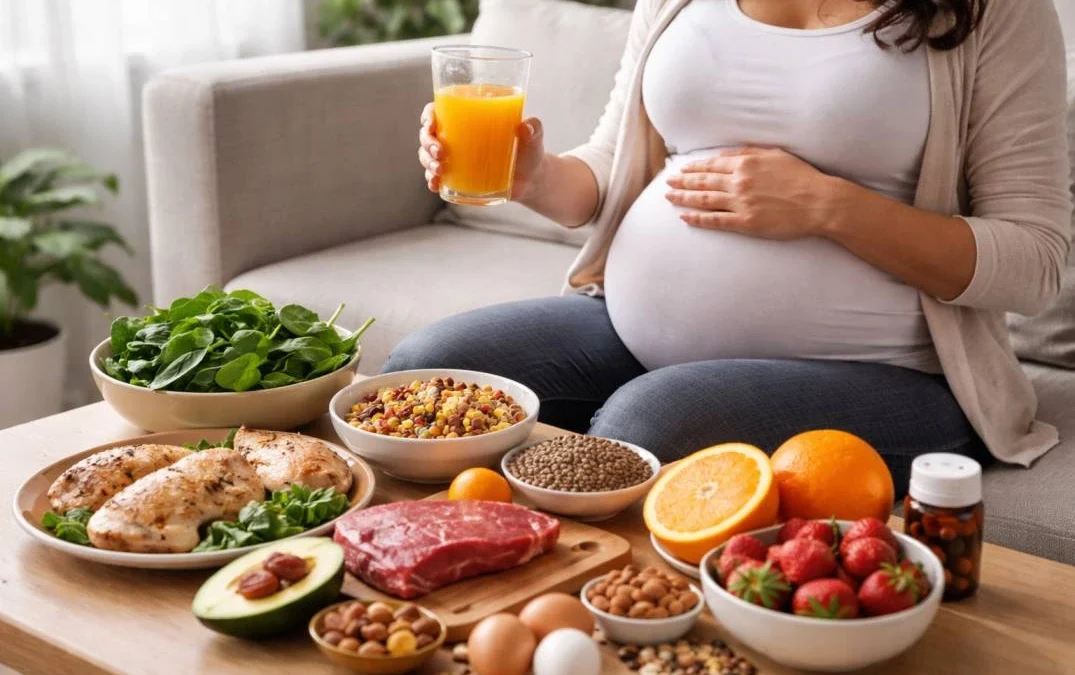
- Diet is key: Boost your intake of iron-rich foods like dark leafy greens, lentils, beans, nuts, fortified cereals, and lean meats.
- Vitamin C helps: Pair iron-rich foods with vitamin C sources (like oranges, tomatoes, or bell peppers) to improve iron absorption.
- Watch the blockers: Avoid drinking tea or coffee right after your meals, as they can hinder iron absorption.
- Supplements: Most pregnant women need an iron supplement, but always consult your doctor for the correct dosage.
- Expert care: Regular blood tests and personalized guidance from a specialist ensure both you and your baby stay healthy and strong.
Hello! I am Dr. Supriya Puranik. First of all, congratulations on this beautiful journey. Growing a new life inside you is an incredible experience, but I also know it can feel a bit overwhelming.
You suddenly have to think about vitamins, minerals, and blood counts that you rarely worried about before.
One of the most common concerns I hear from mums-to-be in my clinic is about low haemoglobin levels.
If your recent blood test showed a dip in your numbers, please take a deep breath. It is incredibly common. More importantly, it is highly treatable.
Let us walk through exactly what is happening in your body right now, and look at the simple, effective ways we can bring those numbers back up.
What exactly is haemoglobin and why do you need more of it now?
Haemoglobin is a vital protein found inside your red blood cells. Its primary job is to carry oxygen from your lungs to the rest of your body. Right now, it has a second, equally important job: carrying oxygen to your growing baby.
When you become pregnant, the amount of blood in your body increases significantly. In fact, your blood volume expands by up to 50 percent to support your baby.
However, your red blood cells do not multiply quite as fast as the liquid part of your blood (plasma).
This naturally dilutes your blood, causing your haemoglobin concentration to drop.
We expect a small dip. But if your levels drop too low, you might develop iron-deficiency anaemia.
This means your body struggles to deliver enough oxygen to your tissues and your baby, which is why we must keep a close eye on your numbers.
Why does your haemoglobin drop during pregnancy?
Aside from the natural increase in blood volume, your body simply needs a lot more iron right now.
Your baby is busily building their own blood supply and storing iron for their first few months of life after birth.
If you started your pregnancy with low iron stores, you will likely see a sharper drop in your haemoglobin.
Other factors can also play a role. Carrying twins or multiples drains your iron stores much faster.
Frequent vomiting from severe morning sickness can make it hard to keep nutrient-rich foods down.
Also, if you have two pregnancies very close together, your body might not have had enough time to rebuild its iron reserves.
What are the signs of low haemoglobin during pregnancy?
Sometimes, mild anaemia sneaks up on you without causing obvious symptoms.
You might just feel the normal exhaustion of pregnancy. However, as your levels drop further, your body will start sending you clearer signals.
You might feel overwhelmingly tired, weak, or dizzy. Some women notice they become short of breath easily, even after a simple walk up the stairs.
You might also look a bit paler than usual, especially inside your lower eyelids, lips, or fingernails.
Cold hands and feet, a rapid heartbeat, and even unusual cravings for non-food items like ice or dirt (a condition called pica) are also signs we look out for.
If you notice any of these symptoms, do not ignore them.
Bring them up at your next appointment so we can check your levels and take action.
Which iron-rich foods should you add to your daily diet?
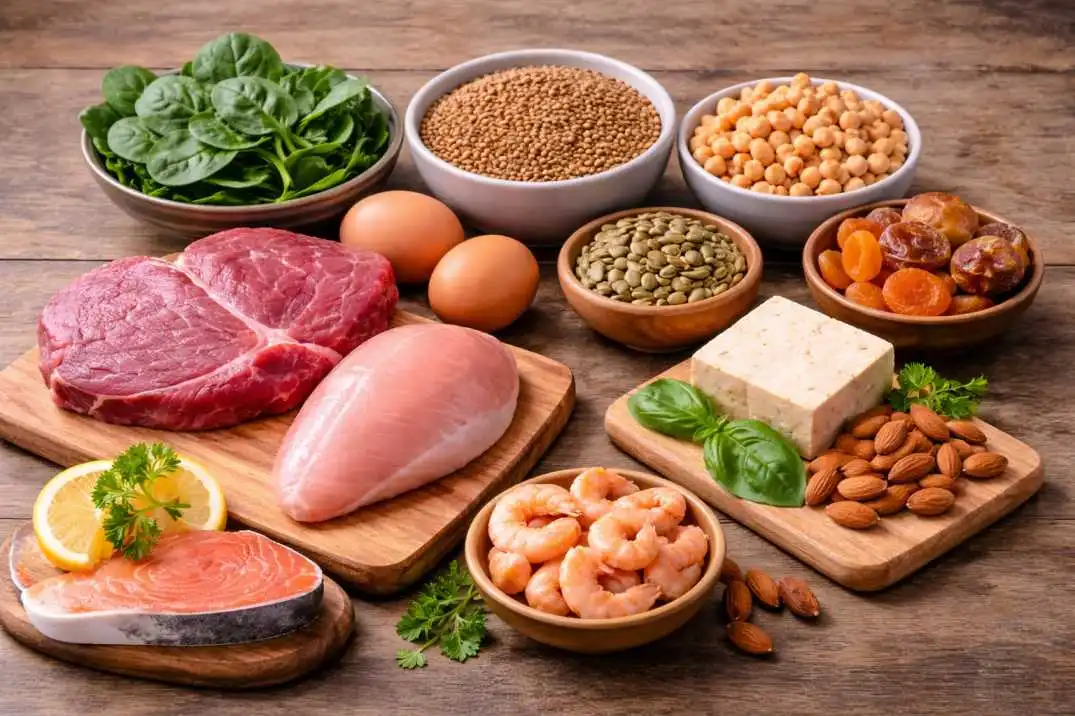
Food is your first line of defence. To build up your haemoglobin, you need to provide your body with the right building blocks.
We generally divide dietary iron into two types: haem iron (from animal sources) and non-haem iron (from plant sources).
If you eat meat, lean red meat, poultry, and fish are excellent sources of haem iron.
Your body absorbs this type of iron very easily. Just ensure all meats are thoroughly cooked to keep you and your baby safe from foodborne illnesses.
If you follow a vegetarian or vegan diet, you have plenty of wonderful options, too.
Dark leafy greens like spinach and kale are fantastic.
Lentils, chickpeas, kidney beans, and tofu are brilliant additions to your meals.
You can also snack on pumpkin seeds, almonds, and dried fruits like apricots and figs.
Starting your morning with iron-fortified cereals or porridge is another simple way to boost your daily intake.
How can you help your body absorb iron better?
Eating iron-rich foods is only half the battle. Your body actually has to absorb that iron to turn it into haemoglobin.
This is where a little bit of food science comes in handy.
Vitamin C is your best friend when it comes to iron absorption, especially for plant-based (non-haem) iron.
I always advise my patients to pair their iron-rich meals with a source of vitamin C. Squeeze some fresh lemon juice over your spinach salad.
Drink a small glass of orange juice with your fortified cereal. Add tomatoes and bell peppers to your lentil stew.
On the flip side, certain things block iron absorption. The tannins found in tea and coffee are notorious for this.
I know skipping your morning brew is tough, but try to wait at least an hour after eating before you have a cup. Calcium can also interfere with iron absorption.
If you take a calcium supplement or drink a large glass of milk, enjoy them at a different time of day than your iron-heavy meals or iron supplements.
Are iron supplements necessary for every mum-to-be?
Diet alone is sometimes not enough to meet the massive demands of pregnancy. This is perfectly normal.
Most prenatal vitamins contain a baseline amount of iron, but if your blood tests show you are anaemic, we will likely prescribe an additional iron supplement.
Please remember that you should never start an iron supplement without a prescription.
Taking too much iron can cause issues, and we need to tailor the dosage to your specific needs.
When you start taking iron pills, you might notice a few side effects. Constipation is a common complaint, as are dark stools and mild nausea.
To manage this, drink plenty of water, eat high-fibre foods, and try taking your supplement on an empty stomach if you can tolerate it.
If the side effects become too uncomfortable, let us know. We can adjust the dose or switch you to a gentler formulation.
When should you seek professional help for your pregnancy journey?
Managing your haemoglobin is just one small piece of a healthy, happy pregnancy.
You deserve comprehensive, compassionate care that looks after every aspect of your well-being.
Trying to figure out the right diet, the right supplements, and the right timeline on your own can be stressful. You do not have to do this alone.
Regular check-ups are essential to monitor your blood levels, your baby’s growth, and your overall health.
If you are feeling exhausted, overwhelmed, or simply want a trusted expert to guide you safely through the next few months, it is time to connect with a specialist team.
At our clinic, we provide personalized maternity care designed around your unique body and your baby’s needs.
We monitor your haemoglobin closely, provide tailored nutritional advice, and ensure you feel strong and confident every step of the way.
Let us help you experience the joyful, healthy pregnancy you deserve.
Reach out to book a consultation today, and let us take the guesswork out of your journey to motherhood.
Together, we will make sure you have all the energy you need to welcome your little one into the world.
FAQs
1. What is the normal haemoglobin level trimester-wise in pregnancy?
Normal haemoglobin levels can vary slightly:
1st trimester: ≥ 11 g/dL
2nd trimester: ≥ 10.5 g/dL
3rd trimester: ≥ 11 g/dL
2. How quickly can haemoglobin levels increase during pregnancy?
With proper diet and supplements, haemoglobin can improve within 2–4 weeks, but full correction may take 1–2 months depending on severity.
3. Can low haemoglobin affect the baby’s growth?
Yes. Severe anaemia can lead to:
Low birth weight
Preterm birth
Developmental concerns
4. Is it safe to take iron supplements daily during pregnancy?
Yes, but only if prescribed by your doctor. Dosage depends on your haemoglobin levels and overall health.
5. What happens if anaemia is left untreated during pregnancy?
Untreated anaemia can increase the risk of:
Fatigue and infections
Complications during delivery
Postpartum recovery issues
6. Can haemoglobin levels drop suddenly during pregnancy?
Usually, levels drop gradually. However, sudden drops may indicate:
Bleeding
Nutritional deficiency
Underlying medical conditions
7. Are there any natural drinks that help increase haemoglobin?
Yes, some helpful options include:
Beetroot juice
Pomegranate juice
Spinach smoothies
(when combined with vitamin C for better absorption)
8. Does cooking method affect iron content in food?
Yes. Cooking in cast iron utensils can slightly increase iron content in food.
9. Can dehydration affect haemoglobin readings?
Yes. Dehydration can make haemoglobin appear artificially high, while overhydration can dilute it.
10. Is anaemia more common in vegetarian pregnant women?
It can be, because plant-based iron (non-haem iron) is less easily absorbed than animal-based iron.
11. Can folic acid or vitamin B12 deficiency also cause low haemoglobin?
Yes. Not all anaemia is due to iron deficiency. Low folate or vitamin B12 can also reduce haemoglobin levels.
12. How often should haemoglobin be checked during pregnancy?
Typically:
Once in early pregnancy
Again in the 2nd trimester
And in the 3rd trimester
More frequent tests may be needed if levels are low.
13. Can exercise help improve haemoglobin levels?
Light exercise improves blood circulation and overall health, but it doesn’t directly increase haemoglobin without proper nutrition.
14. Are there any warning signs that require urgent medical attention?
Yes, seek help if you experience:
Severe breathlessness
Chest pain
Fainting
Very rapid heartbeat
15. Can haemoglobin levels improve after delivery?
Yes. With proper nutrition and supplementation, levels usually improve postpartum, but monitoring is still important.

-
About Author
Dr. Supriya Puranik
Gynaecologist & IVF Specialist
MMC -072514 (1993)
Dr. Supriya Puranik, a renowned gynaecologist and infertility expert, leads the IVF & Gynaecology department at Sahyadri Hospitals Momstory in Shivaji Nagar, Pune. She is committed to helping couples overcome infertility challenges.