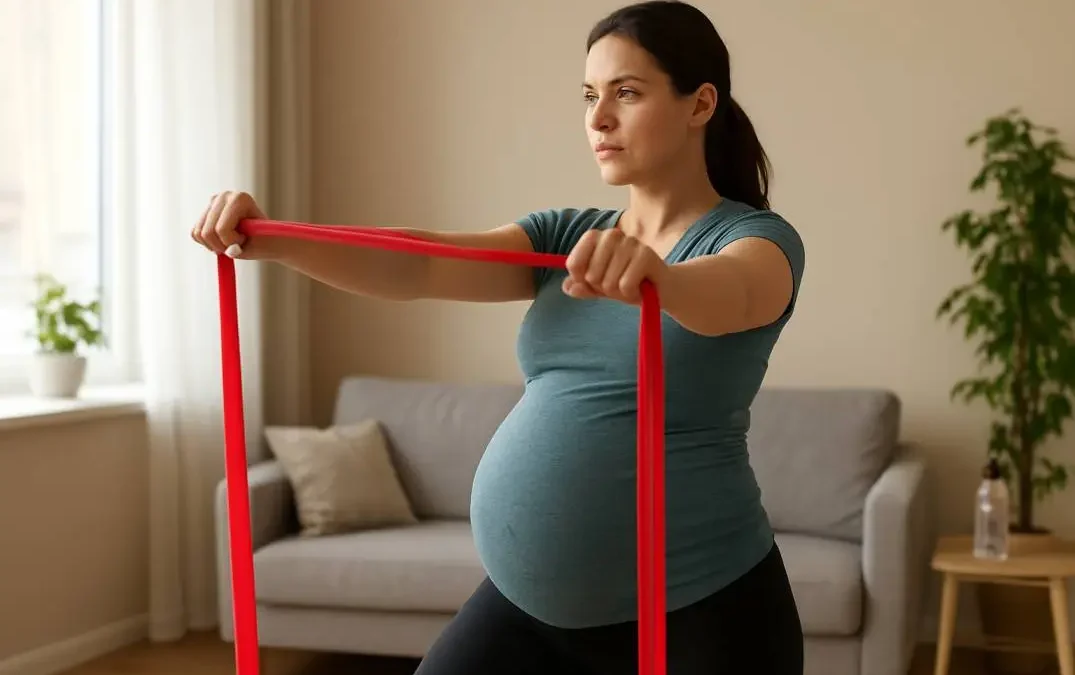
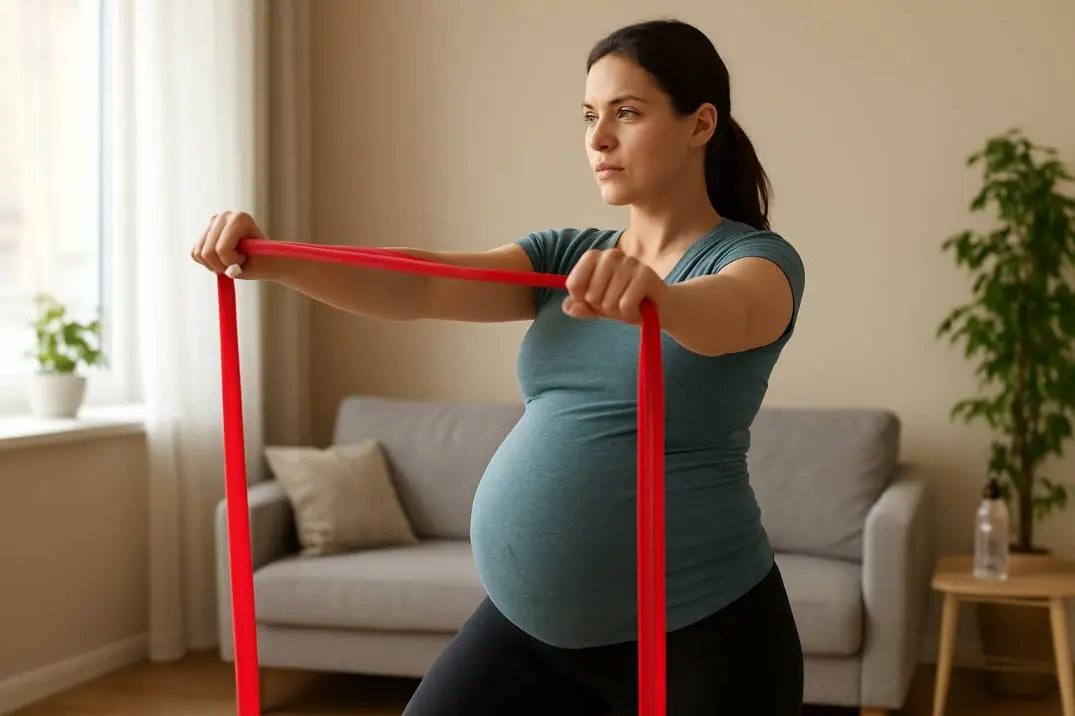
Can Intense Fitness During Pregnancy Harm the Baby?
If you’re reading this, chances are you’re expecting — and congratulations on that!
You may also be someone who’s been into regular workouts, maybe even high-intensity training, before you got pregnant. Now you’re wondering:
“Can my intense fitness routine harm my baby?”
It’s an important question — and I’m glad you’re asking it, because exercise during pregnancy can be both beneficial and risky, depending on how you do it.
Why Exercise During Pregnancy is Usually a Good Thing?
Moderate physical activity during pregnancy is generally safe and even recommended for most women. It can:
- Improve mood and energy levels
- Help manage healthy weight gain
- Reduce the risk of gestational diabetes
- Improve blood circulation
- Prepare your body for labor and recovery
In fact, the American College of Obstetricians and Gynecologists (ACOG) recommends at least 150 minutes of moderate-intensity aerobic activity per week for pregnant women without medical complications.
When Intense Fitness Can Become Risky?
Here’s where the nuance comes in:
If you’ve been doing high-intensity workouts — think heavy weightlifting, high-impact aerobics, CrossFit, long-distance running, or very strenuous HIIT sessions — pregnancy changes the equation.
During pregnancy, your body experiences:
- Increased heart rate and blood volume — your heart is already working harder.
- Hormonal changes — especially relaxin, which loosens joints and ligaments, increasing injury risk.
- Higher oxygen demand — both for you and your growing baby.
If the intensity is too high, it can lead to:
-
- Overheating (which in early pregnancy can be harmful to fetal development)
- Dehydration
- Reduced blood flow to the uterus if blood is redirected to muscles for too long
- Fatigue or dizziness that could increase fall risk
How to Know if You’re Overdoing It?
A simple guideline I tell my patients: If you can’t talk comfortably during exercise, you may be pushing too hard.
Watch for warning signs such as:
- Shortness of breath before exercise
- Vaginal bleeding
- Dizziness or fainting
- Chest pain or rapid heartbeat
- Regular, painful contractions
- Fluid leaking from the vagina
- Severe headache
If you notice any of these — stop exercising and contact your pregnancy doctor immediately.
Safe Modifications for Active Moms-to-Be
If you were already into intense fitness before pregnancy, you might be able to continue with modifications — but only after medical clearance.
Here’s what I usually recommend:
- Switch from “max effort” to “moderate effort”
Work at 60–70% of your pre-pregnancy intensity. - Avoid contact sports or activities with fall risk
(e.g., skiing, horseback riding, martial arts). - Stay hydrated and cool
Drink water before, during, and after workouts. Avoid overheating — especially in the first trimester. - Focus on low-impact alternatives
Swimming, brisk walking, stationary cycling, modified strength training, and prenatal yoga.
5.Listen to your body — not the stopwatch
Pregnancy isn’t the time for new personal records; it’s about staying healthy for you and your baby.
Who Should Avoid Intense Exercise During Pregnancy?
Your doctor might advise against high-intensity workouts if you have:
- Heart or lung disease
- Pre-eclampsia or high blood pressure
- Placenta previa or other placental problems
- Preterm labor risk
- Severe anemia
The Bottom Line
Exercise during pregnancy is beneficial — but the type and intensity matter.
If you were already fit before pregnancy, you can often stay active with adjustments.
If you’re new to exercise, start with low- to moderate-intensity workouts and increase gradually.
Remember: Every pregnancy is unique. Always get your doctor’s approval before making decisions about your fitness routine.
Key Takeaway: Staying active is great for both mom and baby — as long as it’s safe, comfortable, and doctor-approved.
Think of pregnancy workouts not as a competition, but as preparation for the biggest marathon of your life: childbirth.

-
About Author
Dr. Supriya Puranik
Gynaecologist & IVF Specialist
MMC -072514 (1993)
Dr. Supriya Puranik, a renowned gynaecologist and infertility expert, leads the IVF & Gynaecology department at Sahyadri Hospitals Momstory in Shivaji Nagar, Pune. She is committed to helping couples overcome infertility challenges.