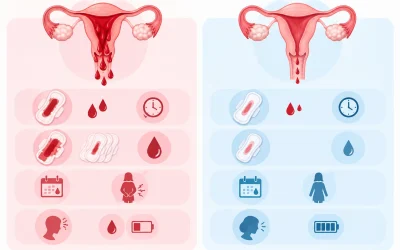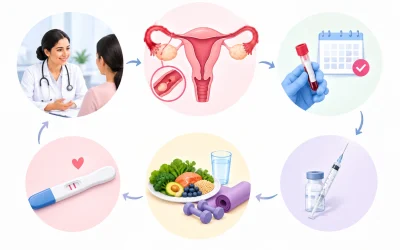
Foods to Regulate Periods Naturally

Hello, I am Dr Supriya Puranik. If you are reading this, chances are you or someone you care about is dealing with the frustration of irregular periods.
If you’re looking to regulate your menstrual cycle naturally, remember that your diet plays a crucial role—certain foods contain vitamins, enzymes, and anti-inflammatory properties that help balance hormones and stimulate blood flow in the pelvic region.
Key foods to include are unripe papaya, pineapple, ginger, turmeric, cinnamon, and beetroot.
While these natural additions can support a healthy cycle, it’s important to know that persistent irregular periods may signal an underlying condition, like PCOS or a thyroid imbalance.
That’s why consulting a medical professional ensures you receive a proper diagnosis and a personalised treatment plan.
When your menstrual cycle behaves unpredictably, it can cause a great deal of anxiety.
You might constantly wonder when your next period will arrive, worry about your fertility, or struggle with the physical discomfort of hormonal fluctuations.
As a medical professional, I hear these concerns from my patients every single day. I want to assure you that you are not alone.
While medication is sometimes necessary, many women are surprised to learn just how much influence their daily diet has on their reproductive health.
Today, we are going to explore how certain foods can naturally encourage a more regular menstrual cycle, what you should limit, and when it is time to take the next step by seeking professional advice.
Before we look at the solutions, we must understand the problem. A normal menstrual cycle typically ranges from 21 to 35 days.
If your cycle frequently falls outside this window, or if you regularly miss periods entirely, we consider this irregular.
Several factors can throw your cycle off balance. High stress levels tell your body that it is not a safe time to reproduce, which can delay or stop ovulation.
Significant weight fluctuations, whether losing or gaining too much, also disrupt hormone production.
Furthermore, underlying medical conditions like Polycystic Ovary Syndrome (PCOS) or thyroid disorders are very common culprits.
Can what you eat really affect your menstrual cycle?
Absolutely. Think of your body as a highly sensitive engine. The fuel you put into it directly affects how smoothly it runs.
Your endocrine system, which controls your hormones, relies heavily on specific nutrients to function properly.
When you eat a balanced diet rich in vitamins, minerals, and antioxidants, you give your body the building blocks it needs to produce and regulate hormones like oestrogen and progesterone.
Conversely, a diet lacking in essential nutrients can lead to inflammation and hormonal chaos.
Let us look at some specific foods that can gently coax your cycle back into a healthy rhythm.
Which specific foods help regulate periods?
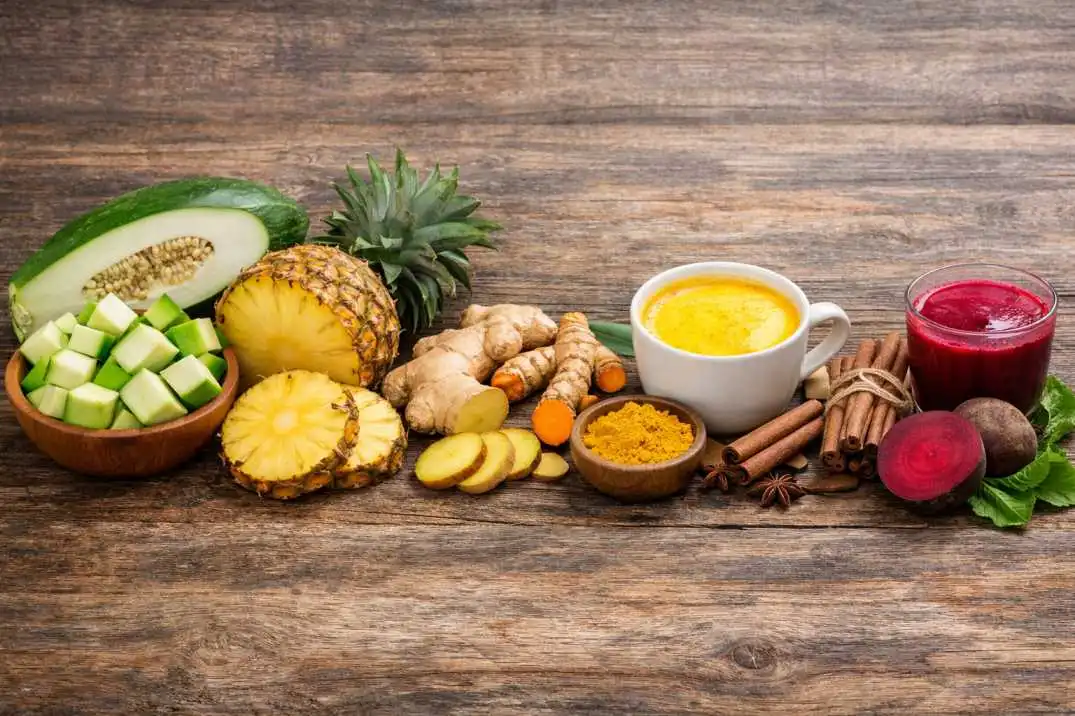
Adding certain ingredients to your daily meals can make a noticeable difference in your reproductive health. Here are some of the most effective, science-backed foods to consider:
Unripe Papaya
Unripe, green papaya is wonderful for your cycle. It contains a high amount of carotene, a nutrient that stimulates the production of oestrogen in the body.
This increase in oestrogen helps induce your period. Papaya also causes gentle contractions in the muscles of the uterus, which helps shed the uterine lining.
Simply consume a bowl of raw, unripe papaya a few days before you expect your period.
Pineapple
Pineapple is packed with bromelain, an enzyme that softens the lining of the uterus and helps regulate your periods.
Bromelain also possesses strong anti-inflammatory properties, which can significantly relieve painful menstrual cramps. A daily serving of fresh pineapple is a delicious way to support your cycle.
Ginger
Ginger is a powerful traditional remedy that I often recommend to my patients. It contains compounds that reduce inflammation and improve blood flow.
Drinking hot ginger tea can help bring on a delayed period and ease severe cramping. To make the tea, simply boil a piece of fresh, sliced ginger in a cup of water for five to seven minutes, strain, and drink it with a little honey.
Turmeric
Turmeric is another brilliant root with incredible healing properties. It works as an antispasmodic and an emmenagogue, meaning it stimulates blood flow in the uterus and pelvic area.
Its active compound, curcumin, lowers inflammation and helps balance hormones. You can easily mix a quarter teaspoon of turmeric with warm milk and drink it before bed.
Cinnamon
If your irregular periods are tied to PCOS, cinnamon should be your best friend.
Cinnamon helps regulate insulin levels in the body, which is crucial because insulin resistance often drives the hormonal imbalances seen in PCOS.
By improving insulin sensitivity, cinnamon can help restore regular ovulation. Sprinkle it on your morning porridge or add a dash to your coffee.
Beetroot
Beetroot is rich in iron, folic acid, and calcium. Many women with irregular or heavy periods suffer from iron deficiency, which leaves them feeling fatigued and weak.
Consuming beetroot juice helps replenish your iron stores, prevents anaemia, and supports healthy blood circulation to your reproductive organs.
Are there foods you should avoid for a healthy cycle?
Just as some foods heal, others can hinder. If you are trying to regulate your cycle, pay attention to what you might need to cut back on.
Highly processed foods and refined carbohydrates cause rapid spikes in your blood sugar.
This triggers an overproduction of insulin, which can lead to higher testosterone levels and disrupt ovulation. Try to limit your intake of sugary snacks, white bread, and commercial pastries.
Excessive caffeine and alcohol can also place stress on your liver, the organ responsible for metabolising hormones. Keep your coffee intake moderate and stay well-hydrated with water throughout the day.
Frequently Asked Questions (FAQs)
1.Can eating at irregular times affect your menstrual cycle?
Yes. Skipping meals or eating at inconsistent times can disrupt your metabolism and hormone signalling, which may indirectly affect your menstrual cycle.
2.Do healthy fats help in regulating periods?
Absolutely. Healthy fats like those found in nuts, seeds, avocados, and olive oil are essential for hormone production, especially oestrogen and progesterone balance.
3.Can protein intake influence menstrual regularity?
Yes. Adequate protein supports hormone synthesis and stabilises blood sugar levels, which is important for maintaining a regular cycle.
4.Are plant-based diets helpful for regulating periods?
A well-balanced plant-based diet rich in iron, B vitamins, and protein can support cycle regularity. However, poorly planned vegetarian diets may lead to deficiencies that disrupt hormones.
5.Can low-carb or keto diets affect periods?
Yes. Very low-carb diets can sometimes reduce insulin levels too much, which may interfere with ovulation and lead to irregular or missed periods in some women.
6.Do dairy products help or worsen irregular periods?
It depends on the individual. Dairy contains hormones that may influence oestrogen levels. Some women find it helpful, while others (especially with PCOS) may benefit from limiting it.
7.Can soy products affect menstrual cycles?
Soy contains phytoestrogens, which can mimic oestrogen in the body. In moderate amounts, soy may help balance hormones, but excessive intake could disrupt them.
8.Is sugar completely bad for menstrual health?
Not entirely, but excess sugar can spike insulin levels, which may lead to hormonal imbalance and irregular cycles. Moderation is key.
9.Can fasting for religious or cultural reasons affect periods?
Short-term fasting is usually safe, but prolonged or frequent fasting without proper nutrition can disrupt hormone balance and delay periods.
10.Do iron-rich foods alone fix irregular periods?
Iron-rich foods help with energy levels and prevent anaemia, but they do not directly regulate hormones. A balanced diet is still necessary.
11.Can spicy foods trigger or regulate periods?
There is no strong scientific evidence that spicy foods directly regulate periods, but they may improve blood circulation and digestion.
12.Does excessive salt intake affect periods?
High salt intake can cause water retention and bloating, which may worsen premenstrual symptoms, but it does not directly regulate cycles.
13.Should you avoid cold foods or drinks during irregular periods?
There is no scientific proof that cold foods delay periods, but in some traditional practices, warm foods are preferred for improving circulation and comfort.
When is the right time to seek professional help?
Food is a powerful tool, but it is not a cure-all. If you have tried adjusting your diet and your periods remain irregular after a few months, it is time to dig a little deeper.
If you frequently miss periods for three or more months, experience unusually heavy bleeding, or suffer from severe pelvic pain, please do not ignore these signs.
Your body is trying to communicate that something needs attention. Conditions like PCOS, fibroids, or thyroid dysfunction require accurate diagnosis and targeted medical care.
As a specialist in women’s health, my goal is to help you understand your unique body.
When you book a consultation with us, we do not just look at your symptoms; we look at you as a whole person.
We will run the necessary tests, discuss your lifestyle, and create a comprehensive, personalised plan that combines the best of medical science with healthy lifestyle adjustments.
You do not have to navigate irregular periods alone. Taking control of your diet is a fantastic first step, but having an experienced medical partner ensures you are on the safest, most effective path to wellness.
If you are ready to get to the root cause of your irregular cycles, I invite you to schedule a visit. Together, we can restore your rhythm and give you back your peace of mind.

-
About Author
Dr. Supriya Puranik
Gynaecologist & IVF Specialist
MMC -072514 (1993)
Dr. Supriya Puranik, a renowned gynaecologist and infertility expert, leads the IVF & Gynaecology department at Sahyadri Hospitals Momstory in Shivaji Nagar, Pune. She is committed to helping couples overcome infertility challenges.