Which Size of Fibroid Is Dangerous?
Summary
Uterine fibroids are non-cancerous growths in the womb.
While size is a factor, a fibroid is generally considered “dangerous” or in need of medical intervention when it causes severe symptoms, regardless of its exact dimensions.
Small fibroids (under 5 centimetres) rarely cause issues, but medium (5 to 10 centimetres) and large fibroids (over 10 centimetres) often press against surrounding organs.
The true danger lies in symptoms like excessive bleeding leading to anaemia, severe pelvic pain, bowel and bladder compression, or fertility complications.
Treatment depends on the fibroid’s location, its growth rate, and how it impacts your daily life.
Introduction
Hello, I am Dr Supriya Puranik. If you are reading this, chances are you or someone you love has just been diagnosed with uterine fibroids.
You are probably feeling a mix of confusion, anxiety, and frustration. When a doctor points to an ultrasound screen and tells you that you have a mass growing inside your womb, it is completely natural to feel alarmed.
One of the very first questions my patients ask me when they sit in my consultation room is: “Doctor, how big is it? Is this size dangerous?”
I want to put your mind at ease straight away. Fibroids are incredibly common, and the vast majority of them are completely benign (non-cancerous).
However, that does not mean we should ignore them. Let us walk through exactly what fibroid size means for your health, your body, and your future, so you can make informed decisions about your care.
What exactly are uterine fibroids?
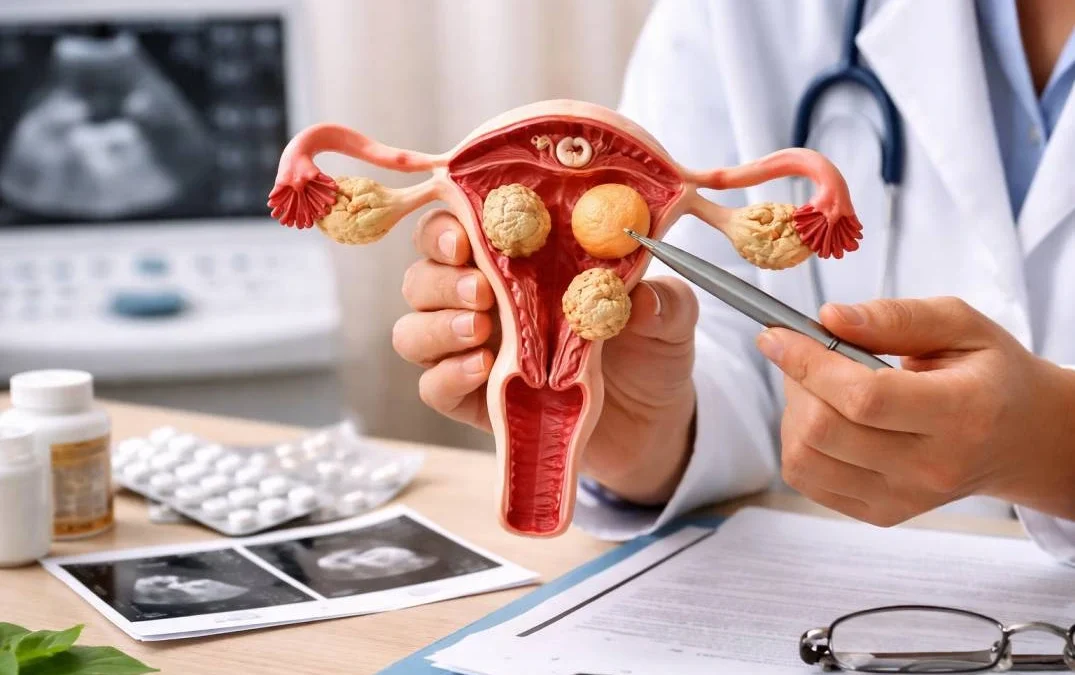
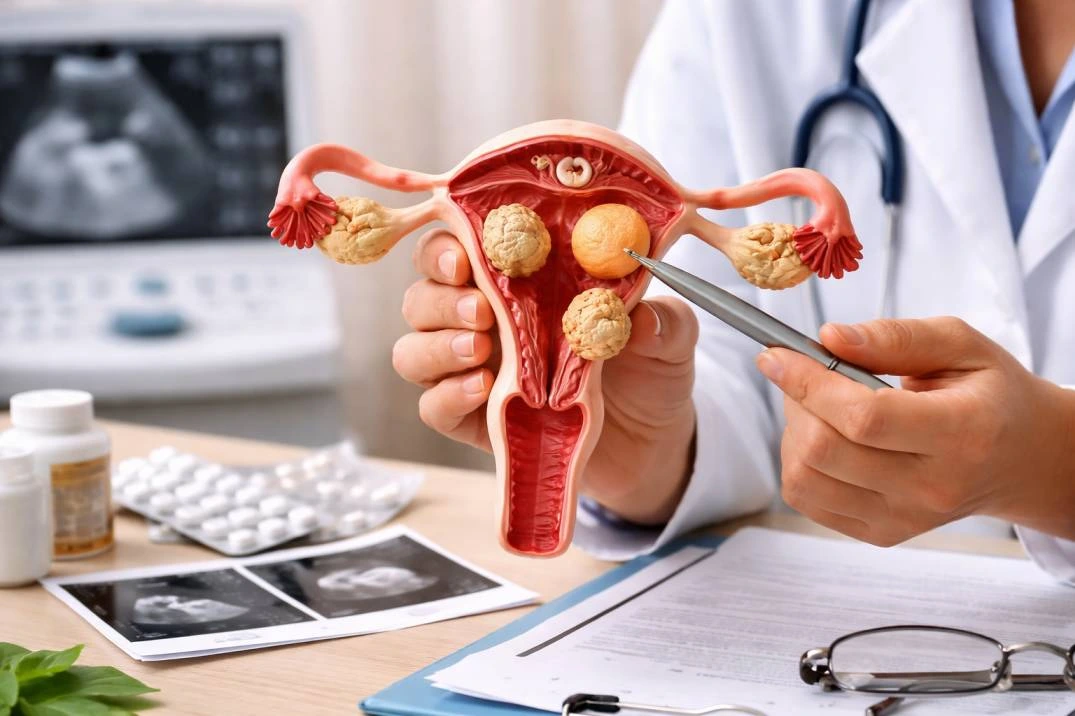
Before we talk about size, let us quickly cover what we are dealing with. Uterine fibroids are muscular tumours that grow in the wall of the uterus (womb).
Despite the scary word “tumour”, these are almost always benign. They consist of smooth muscle cells and fibrous connective tissue.
You can have just one fibroid, or you might have several. They can grow on the inside of the womb, within the muscular wall, or on the outer surface.
I often tell my patients that fibroids are as unique as fingerprints—no two women experience them in exactly the same way.
How do we measure the size of a fibroid?
When gynaecologists measure fibroids, we use centimetres. To make this easier to picture, I like to compare them to everyday objects:
- Small fibroids (1 to 5 centimetres): These range from the size of an apple seed to a cherry or a small plum.
- Medium fibroids (5 to 10 centimetres): These are roughly the size of a lemon to a large orange.
- Large fibroids (10 centimetres or more): These can be the size of a grapefruit, a small melon, or even larger. In rare cases, fibroids can grow large enough to make a woman look several months pregnant.
You might have a tiny fibroid that never changes, or you might have one that grows rapidly over a few months. Regular ultrasound scans help us track this growth accurately.
Which size of fibroid is actually dangerous?
This is the most important thing I want you to remember from our conversation today: The danger of a fibroid is not just about its size; it is about its location and the symptoms it causes.
A massive fibroid on the outside of your womb might cause a slight feeling of heaviness, while a tiny one-centimetre fibroid inside the uterine cavity could cause life-threatening bleeding.
However, as a general rule, we start to pay much closer attention when fibroids reach the medium to large category (over 5 centimetres).
At this size, the physical bulk of the fibroid begins to crowd your pelvis. It can press against your bladder, your bowel, or your blood vessels.
A fibroid becomes “dangerous” or medically urgent when it:
- Grows very rapidly between routine scans.
- Causes severe, unmanageable pain.
- Leads to dangerous levels of blood loss.
- Interferes with the function of other vital organs.
What symptoms mean your fibroids need immediate attention?
You know your body best. If you experience any of the following red flags, we need to look at treatment options right away, regardless of whether your fibroid is the size of a grape or a melon:
1.Heavy and prolonged bleeding
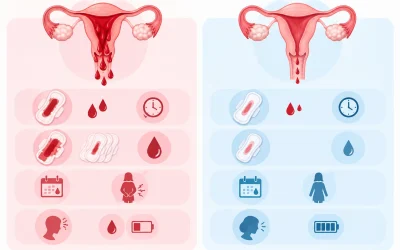
If you are soaking through pads every hour, passing large blood clots, or if your periods last longer than a week, this is a serious issue. Heavy bleeding can quickly lead to severe anaemia, leaving you exhausted, dizzy, and short of breath.
2.Intense pelvic pain and pressure
A large fibroid can feel like a heavy weight sitting in your pelvis. If a fibroid outgrows its blood supply, it can degenerate (break down), causing sharp, excruciating pain.
3.Bladder and bowel issues
When a large fibroid presses against your bladder, you might feel the need to urinate constantly, or conversely, you might struggle to empty your bladder completely. If it presses against your rectum, it can cause chronic constipation.
How do fibroids affect your fertility and pregnancy?
Many of the women who come to my clinic are hoping to start or grow their families.
The relationship between fibroids and fertility depends heavily on where the fibroid sits.
Submucosal fibroids, which grow into the inner cavity of the womb, can act almost like an intrauterine device (IUD).
Even if they are very small, they can prevent a fertilised egg from implanting or increase the risk of miscarriage.
Large fibroids can also block the fallopian tubes or alter the shape of the cervix, making it harder for sperm to enter.
If you are trying to conceive and have fibroids, do not lose hope.
We have highly effective, minimally invasive treatments that can remove the fibroids while preserving and protecting your fertility.
Frequently Asked Questions (FAQs)
1. Can a small fibroid become dangerous over time?
Yes, a small fibroid is usually harmless, but it can become problematic if it grows quickly or starts causing symptoms like heavy bleeding or pain. That is why regular monitoring with ultrasound is important.
2. How fast do fibroids grow?
Fibroid growth varies from person to person. Some fibroids remain the same size for years, while others may grow rapidly within months. Hormones like estrogen can influence their growth, especially during reproductive years.
3. Can fibroids shrink on their own?
Yes, fibroids can shrink naturally, especially after menopause when hormone levels drop. In some cases, lifestyle changes or medications may also help reduce their size.
4. Is surgery always required for large fibroids?
No, surgery is not always necessary. Even large fibroids can sometimes be managed with medications or minimally invasive treatments, depending on symptoms, age, and fertility goals.
5. Can fibroids turn into cancer?
Fibroids are almost always benign (non-cancerous). The risk of a fibroid becoming cancerous (called leiomyosarcoma) is extremely rare.
6. Can fibroids cause weight gain or bloating?
Yes, large fibroids can cause abdominal swelling or a feeling of heaviness, which may look like weight gain. However, they do not directly cause fat gain.
7. Do fibroids always need treatment?
No, fibroids only need treatment if they cause symptoms or complications. Many women live with fibroids without any issues and only require regular monitoring.
8. Can exercise or diet help reduce fibroids?
While diet and exercise cannot eliminate fibroids completely, maintaining a healthy weight and eating iron-rich and anti-inflammatory foods may help manage symptoms and overall hormonal balance.
9. Are fibroids common in younger women?
Yes, fibroids can occur in women in their 20s and 30s, although they are more commonly diagnosed in women aged 30 to 50.
10. Can fibroids come back after treatment?
Yes, fibroids can recur, especially if you are still in your reproductive years. The chances depend on the type of treatment and individual hormonal factors.
11. Is it safe to get pregnant with fibroids?
Many women with fibroids have completely normal pregnancies. However, depending on the size and location, fibroids may increase risks like miscarriage or complications, so medical guidance is important.
When should you seek professional treatment?
You should never have to organise your life around heavy bleeding, pack extra clothes for fear of leaks, or live with chronic pelvic pain. If your fibroids are affecting your quality of life, it is time to take action.
Treatment is not a one-size-fits-all approach. Depending on the size, location, and symptoms of your fibroids, as well as your plans for future pregnancies, we can explore several options.
These range from medication to manage bleeding, to minimally invasive procedures that shrink the fibroids, or surgical removal.
My goal is always to find the safest, most effective solution tailored specifically to you.
We will look at your scans together, discuss your symptoms openly, and create a clear, actionable plan to get your health back on track.
If you are worried about the size of your fibroids or struggling with symptoms, please do not wait for things to get worse.
Book a consultation with my team today.
Together, we will assess your condition, answer every single question you have, and help you reclaim your comfort and your health.
What Are the Treatment Options?
Treatment for fibroids is highly individualised and depends on your symptoms, age, and fertility goals. Options include:
- Medications to control bleeding and hormone levels
- Minimally invasive procedures like uterine fibroid embolisation (UFE)
- Myomectomy, which removes fibroids while preserving the uterus
- Hysterectomy, recommended only in severe cases when childbearing is complete
The goal is always to relieve symptoms while preserving your overall health and fertility whenever possible.

-
About Author
Dr. Supriya Puranik
Gynaecologist & IVF Specialist
MMC -072514 (1993)
Dr. Supriya Puranik, a renowned gynaecologist and infertility expert, leads the IVF & Gynaecology department at Sahyadri Hospitals Momstory in Shivaji Nagar, Pune. She is committed to helping couples overcome infertility challenges.