What to Expect After Fallopian Tube Removal?
Hello! I’m Dr. Supriya Puranik, and if you’re here, I know you likely have a lot of questions and concerns about what happens after fallopian tube removal, or as we call it, a salpingectomy.
Whether you’re preparing for the surgery or recovering from it, I want to assure you that you’re not alone in this. I’m here to take you through everything you need to know, step by step.
Now, to directly answer your question about what to expect after this surgery—we’ll focus on your recovery, both physically and emotionally, and what life will look like afterward.
My goal is for you to feel fully prepared, less anxious, and confident in this part of your health journey.
Why Is Fallopian Tube Removal Done?
Before we get into recovery, it’s important you understand why this procedure is done and how it impacts your health.
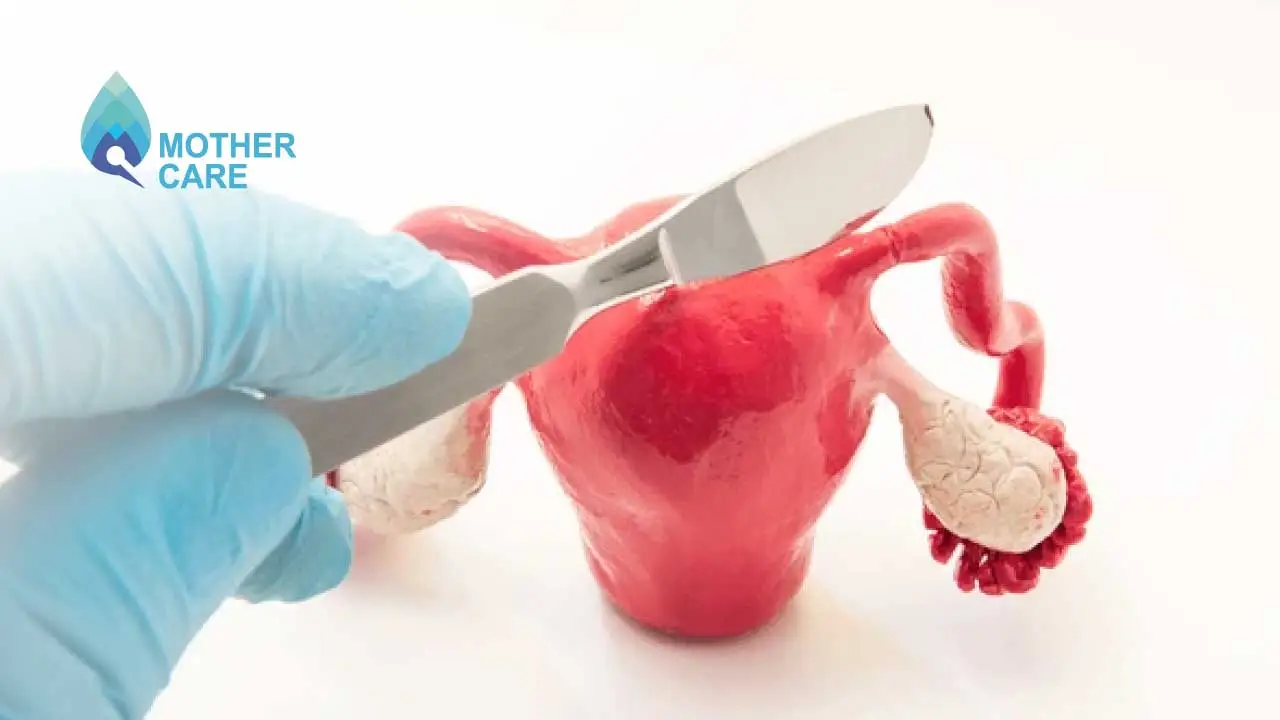
The fallopian tubes are small pathways that connect the ovaries to the uterus.
They play a key role in reproduction, as eggs travel through them to the uterus for fertilization. But sometimes, they need to be removed due to:
- Ectopic Pregnancy: This is when a pregnancy starts growing in the fallopian tube instead of the uterus. It’s dangerous and needs immediate attention.
- Reducing Cancer Risk: If you’re at higher risk for ovarian cancer, removing the tubes can lower that risk significantly.
- Blocked or Damaged Tubes: If the tubes are blocked or damaged by conditions like infections or endometriosis, they can cause pain or infertility.
- Permanent Contraception: Some choose this surgery as a permanent birth control method.
If both your tubes are removed, you won’t be able to conceive naturally, but IVF remains an option since your ovaries and uterus are still functional.
Your Concerns Are Valid
I know these situations can feel overwhelming and even life-altering. Whether your surgery is elective or medically necessary, it’s normal to feel a mix of emotions—from worry to relief.
You don’t have to have all the answers yourself. That’s my job as your doctor, to help guide you through it with clarity and care.
What Happens Immediately After Surgery?
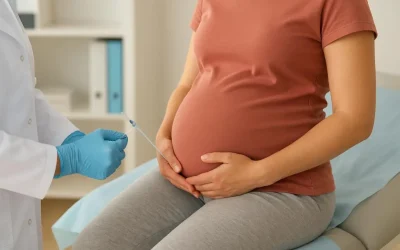
If you’ve had laparoscopic surgery, which is minimally invasive and uses small incisions with a camera, you’ll wake up feeling groggy in the recovery room. The first few hours can feel a bit disorienting, but that’s normal.
My team will monitor you to ensure you’re recovering well from the anesthesia.
You may notice:
- Pain and Soreness: Around your abdomen or at the incision sites. Don’t worry; we’ll give you pain medications to keep you comfortable.
- Gas Pain or Bloating: This is from the gas used during laparoscopic surgery to inflate your abdomen. It might cause some discomfort in your upper stomach or shoulders, but gentle walking can help ease this.
- Vaginal Bleeding: Light bleeding or spotting for a few days is common.
Generally, you’ll either be discharged the same day or after a day or two if the surgery was more extensive. Before you leave, we’ll go over all the dos and don’ts to get you started on the right path to recovery.
Physical Recovery at Home
The first couple of weeks are all about rest and allowing your body to heal. I always tell my patients, “This is your time to focus purely on you.” Follow these tips and you’ll feel stronger every day:
- Resting Is Key: Avoid heavy lifting, physical strain, or anything that puts pressure on your abdomen.
- Get Moving, Gently: Short walks around the house are excellent to keep your blood circulating and prevent complications like blood clots.
- Eat Nourishing Foods: Focus on a diet rich in protein, fresh fruits, and vegetables. Avoid fried or processed food and drink plenty of water to stay hydrated. Also, if you’re prescribed painkillers, eating fiber will help prevent constipation.
- Wound Care: Keep your incisions clean and dry. I’ll guide you on when it’s safe to shower and how to care for your stitches or surgical glue.
A Quick Timeline
For laparoscopic surgery:
- By the end of Week 1, most of the soreness should ease.
- By 2-3 weeks, you may resume light activities, depending on how active your job or lifestyle is.
For open surgery: - Full recovery may take 4-6 weeks. This gives your body enough time to heal completely.
Every woman’s body heals differently, so don’t rush yourself. Listen to your body, and if you have doubts, reach out to me or your healthcare team.
Emotional Healing Is Just as Important
Surgery doesn’t just affect your body; it can bring an emotional toll too. It’s okay to feel a mix of relief, sadness, or even frustration. Here are some things to keep in mind:
1.Fertility and Family Planning
If both fallopian tubes are removed, natural conception becomes impossible. I know this can be hard to process, and it’s perfectly okay to feel this way.
If you’re hoping to have children in the future, know that options like IVF are available. Many of my patients have gone on to have healthy babies this way.
If one tube was removed, the remaining tube could still allow for natural conception, but it might take time. Let’s discuss what’s realistic for your situation so you feel supported.
2.Emotional Support
Surgery can feel isolating at times. Share your feelings with someone you trust, whether that’s a partner, family member, or friend.
If you find it hard to cope, joining a support group or seeking professional counseling can help, especially if this procedure was tied to cancer prevention or treatment.
Common Questions About Periods and Hormones
“Will I Still Get My Period?”
Yes, if your ovaries and uterus are intact, your periods will continue as normal. Your fallopian tubes aren’t responsible for menstruation. If you notice any irregularities, such as missed periods, give me a call so we can discuss it further.
“Do My Hormones Change?”
The short answer is no. Since your ovaries are what produce the hormones that regulate your cycle, this surgery won’t affect your hormonal balance. However, if this was paired with another procedure like ovary removal, the hormonal impact would be different and we’d discuss that in detail.
When Should You Reach Out to Us?
While complications are rare, it’s important to call your doctor if you notice:
- Sudden or severe pain around the surgery site.
- Heavy bleeding, especially beyond what’s expected.
- A fever lasting more than 24 hours, as this could signal infection.
- Any fluid or discharge that smells unpleasant or looks unusual.
- Swelling, redness, or warmth around the incisions.
Your recovery is my priority, and I’d rather you call with a concern than sit worrying about it.
If you’re in Pune and experiencing any unusual symptoms after surgery, don’t wait it out.
Dr. Supriya Puranik, one of Pune’s leading gynecological specialists, is here to help you heal safely and confidently.
Book your consultation today — your recovery deserves expert care.
A Glimpse Into Real Patient Experiences
Many women have shared with me their relief and even pride after recovering. One of my patients, Priya, told me, “I was scared because I didn’t know what to expect, but you explained everything so well.
Once I started walking and eating healthy, I noticed how much stronger I felt by the second week.”
Hearing others’ stories can be comforting, and I’m here to ensure you have all the information you need to feel supported.
Moving Forward
Whether this surgery marks the end of a painful condition, a step in cancer prevention, or a new chapter in health planning, I want you to know this is just one moment in your larger story.
Take it one day at a time, give yourself grace, and focus on healing.
If you have more questions, please don’t hesitate to reach out to me or your medical team. We’re here to answer your doubts, listen to your concerns, and guide you every step of the way.
You’re stronger than you think, and I’m so proud of you for taking care of your health.
With you at every step,
Dr. Supriya Puranik

-
About Author
Dr. Supriya Puranik
Gynaecologist & IVF Specialist
MMC -072514 (1993)
Dr. Supriya Puranik, a renowned gynaecologist and infertility expert, leads the IVF & Gynaecology department at Sahyadri Hospitals Momstory in Shivaji Nagar, Pune. She is committed to helping couples overcome infertility challenges.