Fatty Liver in Pregnancy May Increase Risk of Preterm Birth
Pregnancy is a time of significant changes in a woman’s body, many of which support the growth and development of a healthy baby.
However, certain conditions can complicate this process and pose risks to both mother and child.
One such condition is fatty liver in pregnancy, a rare but potentially serious complication.
Emerging research suggests that fatty liver in pregnancy may increase the risk of preterm birth, making it a topic of growing concern among healthcare professionals.
This blog will explore the link between fatty liver and preterm birth, the causes and symptoms of fatty liver disease during pregnancy, as well as its potential complications.
We’ll also discuss prevention, early detection methods, and management strategies to promote better outcomes for both mother and baby.
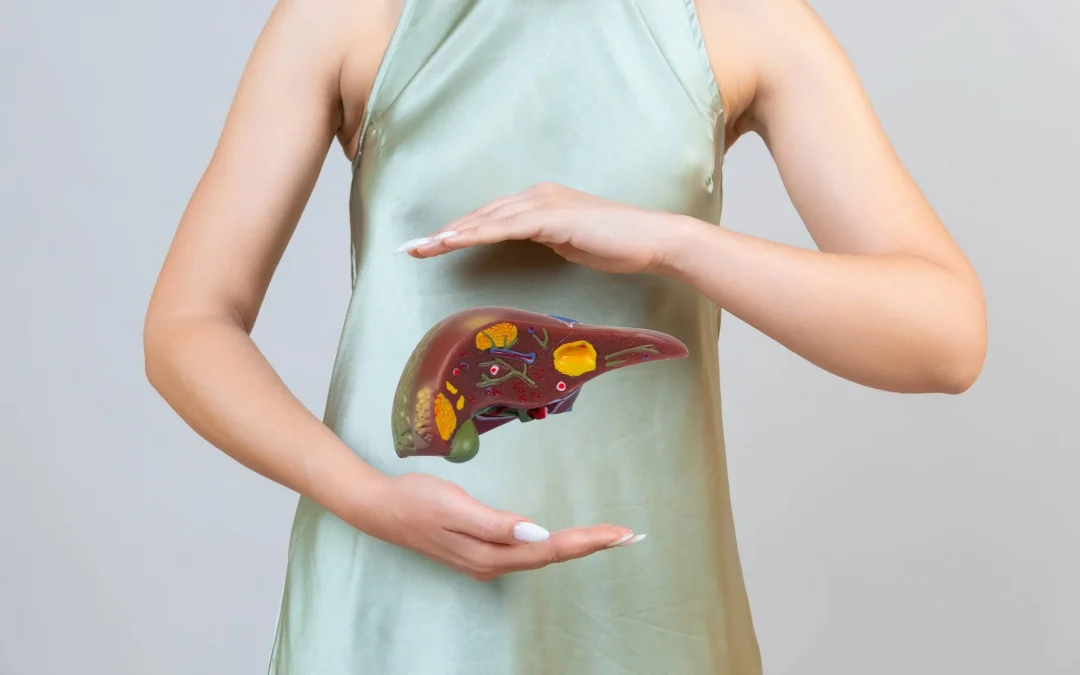
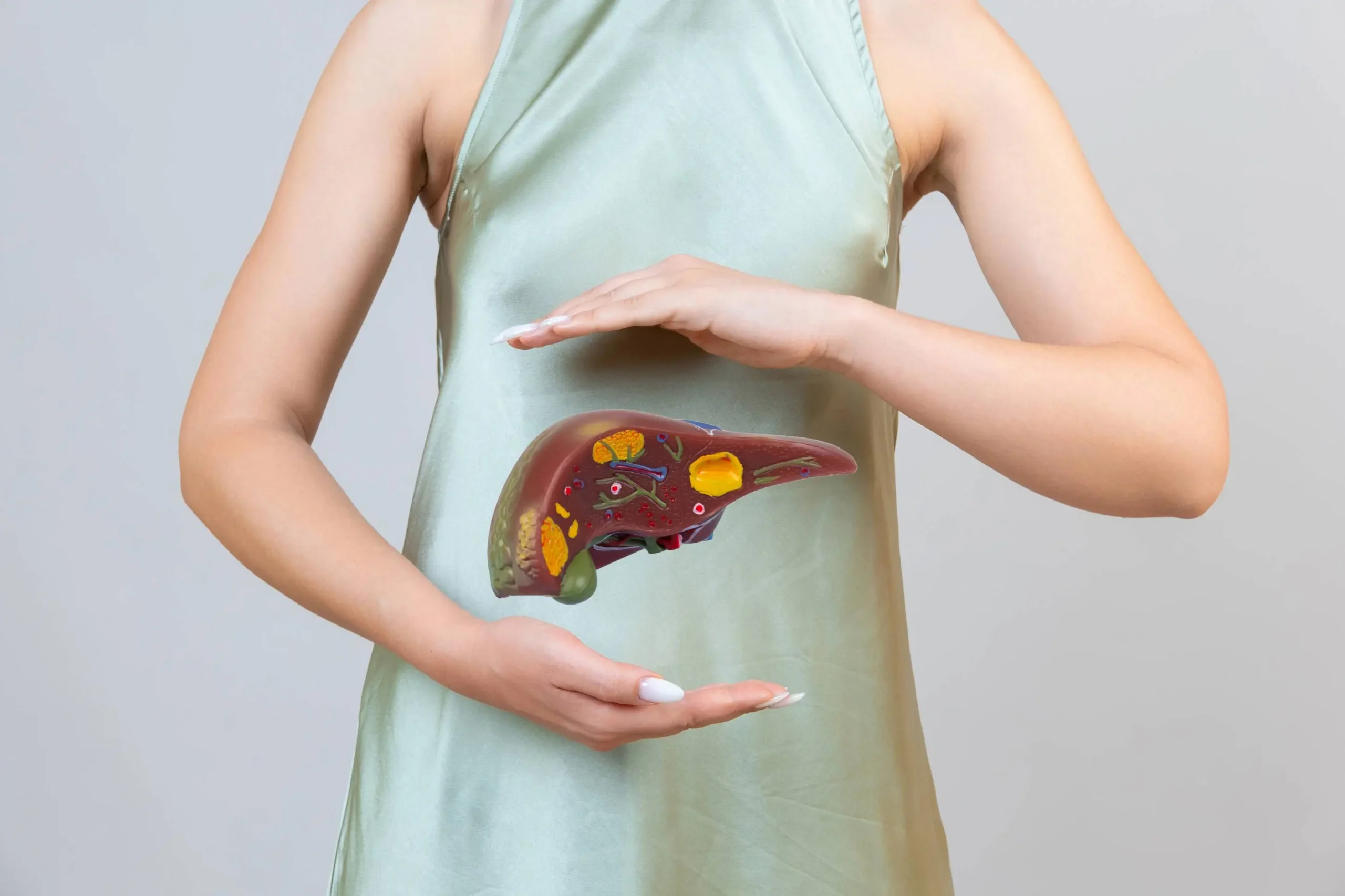
Fatty liver disease during pregnancy is officially known as Acute Fatty Liver of Pregnancy (AFLP). It is characterized by an abnormal accumulation of fat in liver cells, which occurs as a direct response to pregnancy.
AFLP is considered a rare condition, affecting about 1 in 7,000 to 1 in 16,000 pregnancies, but its impact can be severe if not diagnosed and treated promptly.
This condition usually appears in the third trimester and may escalate into life-threatening complications for both the mother and baby if left unmanaged. Recent studies have also linked AFLP to an increased risk of preterm birth, raising the stakes for early diagnosis and intervention.
Understanding the Link Between Fatty Liver and Preterm Birth
Preterm birth, defined as delivery before 37 weeks of gestation, can occur due to various maternal health issues, including fatty liver disease. Here’s how AFLP contributes to this risk:
1. Systemic Complications
AFLP often leads to systemic issues such as liver dysfunction, hypoglycemia (low blood sugar levels), or blood clotting abnormalities. These complications can trigger early labor or necessitate a medical decision to induce preterm delivery to protect the mother and baby.
2. Hormonal and Metabolic Imbalances
Fatty liver disease disrupts normal liver function, which is essential for maintaining metabolic balance during pregnancy.
Hormonal imbalances and poor nutrient processing may impair the baby’s growth, increasing the likelihood of complications like intrauterine growth restriction (IUGR) or preterm birth.
3. Inflammatory Response
Research suggests that fatty liver contributes to systemic inflammation. Pro-inflammatory signals may lead to placental abnormalities, a known factor in triggering preterm labor.
4. Fetal Health Risks
Fatty liver in pregnancy has been associated with fetal distress. If the baby shows signs of compromised health, early delivery may be recommended to reduce risks, even if gestational age is less than 37 weeks.
Causes of Fatty Liver in Pregnancy
Understanding what causes fatty liver during pregnancy can help in identifying high-risk individuals. The exact cause of AFLP is not completely understood, but contributing factors may include:
- Genetic Factors
Some women may have a genetic predisposition that makes them more likely to develop fatty liver, such as defects in mitochondrial fatty acid oxidation. - Multiple Pregnancies
Women carrying twins or multiples are at a slightly higher risk due to the increased metabolic demand on the body. - Obesity and Poor Nutrition
Pre-existing obesity, along with diets high in unhealthy fats and low in essential nutrients, can contribute to liver fat accumulation. - Preexisting Conditions
Having preeclampsia, gestational diabetes, or other metabolic disorders increases the likelihood of fatty liver during pregnancy.
Symptoms of Fatty Liver in Pregnancy
Prompt recognition and diagnosis of AFLP are crucial for avoiding complications. Common symptoms include:
- Persistent nausea and vomiting
- Abdominal pain, especially near the upper right side (where the liver is located)
- General fatigue and malaise
- Yellowing of the skin or eyes (jaundice)
- Dark urine or pale stools
- Rapid weight gain due to fluid buildup
- Confusion or altered mental state in severe cases
If you experience any of these symptoms during pregnancy, it is essential to seek medical advice immediately.
Diagnostic Methods
Diagnosing fatty liver in pregnancy can be challenging, as its symptoms often overlap with other common pregnancy-related conditions. However, healthcare providers use several tools to identify the condition:
1. Blood Tests
Bloodwork can detect abnormal liver function, elevated liver enzymes, low blood sugar, or signs of jaundice.
2. Ultrasound or Imaging
An ultrasound of the liver may reveal fat deposits, which are indicative of the disease. Other imaging techniques like CT scans or MRIs may be used for more detailed analysis.
3. Clinical History and Examination
Doctors may assess symptoms in conjunction with your medical history, particularly if you have risk factors like obesity or preeclampsia.
4. Liver Biopsy (in extreme cases)
For unclear cases, a liver biopsy may be performed to confirm the diagnosis.
Complications of Fatty Liver During Pregnancy
Fatty liver doesn’t just increase the risk of preterm birth but can lead to a range of serious complications if untreated.
⇒Maternal Risks
- Liver Failure
- Severe Bleeding due to impaired blood clotting
- Kidney Dysfunction
- Gestational Hypertension or Preeclampsia
⇒Fetal Risks
- Preterm Birth
- Low Birth Weight
- Stillbirth in severe cases
Management and Treatment Strategies
Addressing fatty liver during pregnancy often involves aggressive management to stabilize both the mother and baby.
1. Delivery
The most effective treatment for AFLP is delivery. If diagnosed late in pregnancy, doctors may recommend immediate delivery, regardless of gestational age, to prevent worsening complications.
2. Supportive Care
For mothers diagnosed earlier in their pregnancy:
- Hospitalization may be necessary for close monitoring.
- Treating hypoglycemia with glucose infusion or managing electrolyte imbalances can help stabilize the condition.
3. Medications and Monitoring
Doctors may administer medications like corticosteroids to support fetal lung development if preterm delivery is unavoidable. Frequent ultrasound checks and fetal monitoring can ensure the baby is developing adequately.
Preventive Measures
While some risk factors for fatty liver can’t be controlled, others can be managed to reduce the likelihood of complications:
1. Optimal Nutrition
Focus on a balanced diet rich in fruits, vegetables, lean proteins, and whole grains. Avoid overly fatty or processed foods.
2. Healthy Weight Management
Maintaining a healthy weight before and during pregnancy lowers the risk of fatty liver disease.
3. Regular Prenatal Checkups
Frequent medical visits allow early detection of potential issues, including changes in liver function.
4. Control Underlying Conditions
Proactively manage preeclampsia, gestational diabetes, or other preexisting conditions.
5. Avoid Risk Factors
Steer clear of alcohol and other substances that may further strain your liver.
⇒Importance of Early Detection
Early detection is key to avoiding severe complications from fatty liver in pregnancy. Awareness of the symptoms, combined with regular prenatal visits, ensures that any risks are identified and addressed promptly.
Final Thoughts
Fatty liver in pregnancy is a rare but serious condition that can increase the likelihood of preterm birth and other complications.
Understanding the causes, symptoms, and risk factors is crucial for early detection and effective management.
If you’re pregnant and concerned about your liver health, don’t hesitate to bring it up during your prenatal visits.
By prioritizing your health and working closely with your medical team, you can safeguard the well-being of both yourself and your baby.
Remember, knowledge and proactive care are powerful tools in navigating a healthy and successful pregnancy.

-
About Author
Dr. Supriya Puranik
Gynaecologist & IVF Specialist
MMC -072514 (1993)
Dr. Supriya Puranik, a renowned gynaecologist and infertility expert, leads the IVF & Gynaecology department at Sahyadri Hospitals Momstory in Shivaji Nagar, Pune. She is committed to helping couples overcome infertility challenges.