Impact of Air Pollution on Pregnancy

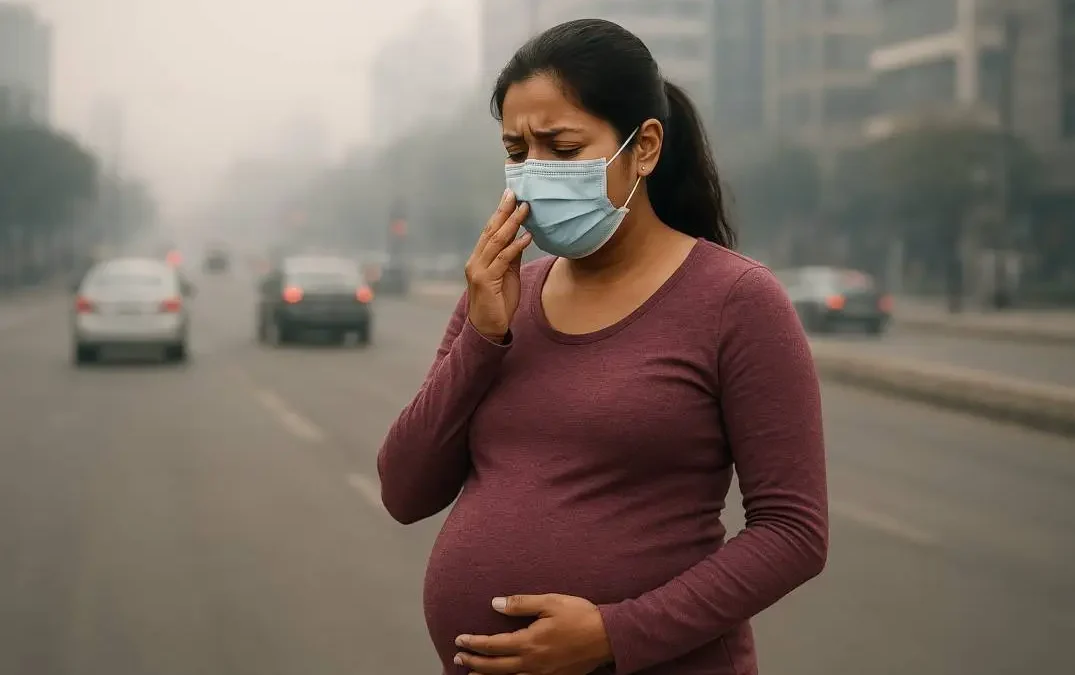
Pregnancy is a beautiful journey, but it also comes with responsibilities — for the mother and the growing baby. While most people focus on diet, exercise, and regular check-ups, one silent factor often gets overlooked: the air we breathe.
Air pollution has become a global health issue, and its impact on pregnancy is especially concerning. Let’s break it down in simple terms.
What is Air Pollution?
Air pollution refers to harmful particles and gases present in the air. These can come from:
- Vehicle smoke
- Industrial emissions
- Burning of wood, coal, or garbage
- Dust and construction activities
- Household smoke from cooking with firewood
The tiny pollutants in polluted air (like PM2.5 and PM10 particles) can easily enter the lungs, mix with the blood, and affect the whole body — including the baby growing in the womb.
How Does Air Pollution Affect Pregnancy?
1. Reduced Oxygen Supply
When a pregnant woman breathes polluted air, harmful particles can reduce the oxygen-carrying capacity of the blood. This means the baby may receive less oxygen, which is vital for healthy growth.
2. Risk of Premature Birth
Studies show that exposure to high levels of pollution increases the chances of preterm delivery (delivery before 37 weeks). Babies born early often face breathing and developmental challenges.
3. Low Birth Weight
Polluted air can affect the placenta (the organ that supplies food and oxygen to the baby), leading to babies being born smaller than expected. Low birth weight is linked with long-term health issues.
4. Impact on Brain Development
Research suggests that long-term exposure to polluted air during pregnancy may affect the baby’s brain development, possibly increasing risks of learning difficulties and behavioral issues later in life.
5. Higher Risk of Complications for Mother
Air pollution doesn’t just affect the baby — it also impacts the mother’s health. It may increase the chances of:
- High blood pressure during pregnancy
- Gestational diabetes
- Breathing difficulties and asthma attacks
Signs That Pollution May Be Affecting You
Pregnant women exposed to high pollution may notice:
- Frequent coughing or throat irritation
- Shortness of breath
- Headaches
- Fatigue
- Allergic symptoms (sneezing, watery eyes)
If these are frequent, it’s important to discuss them with your pregnancy doctor.
How Can Pregnant Women Protect Themselves?
While it’s impossible to avoid pollution completely, small steps can make a big difference:
- Check Air Quality Index (AQI): Use mobile apps to track pollution levels. Avoid going outdoors when AQI is very poor.
- Stay Indoors During Peak Hours: Pollution is often higher during morning and evening traffic hours.
- Use Air Purifiers at Home: Especially in the bedroom, to ensure cleaner air during sleep.
- Wear N95 Masks: If you must go out, a good mask can block harmful particles.
- Avoid Burning Wood or Trash at Home: These release harmful smoke.
- Choose Greener Routes: If walking, prefer areas with trees and less traffic.
7.Stay Hydrated & Eat Healthy: A diet rich in fruits, vegetables, and antioxidants helps the body fight harmful effects of pollution.
Final Thoughts
Air pollution is invisible but powerful in its effects, especially during pregnancy.
Expecting mothers should be extra cautious because the health of both mother and child depends on clean air.
While governments and societies must work towards reducing pollution, individual precautions can go a long way in ensuring a safe and healthy pregnancy.
Related:How to Increase Haemoglobin in Pregnancy?

-
About Author
Dr. Supriya Puranik
Gynaecologist & IVF Specialist
MMC -072514 (1993)
Dr. Supriya Puranik, a renowned gynaecologist and infertility expert, leads the IVF & Gynaecology department at Sahyadri Hospitals Momstory in Shivaji Nagar, Pune. She is committed to helping couples overcome infertility challenges.