The Truth About Pregnancy Weight Gain
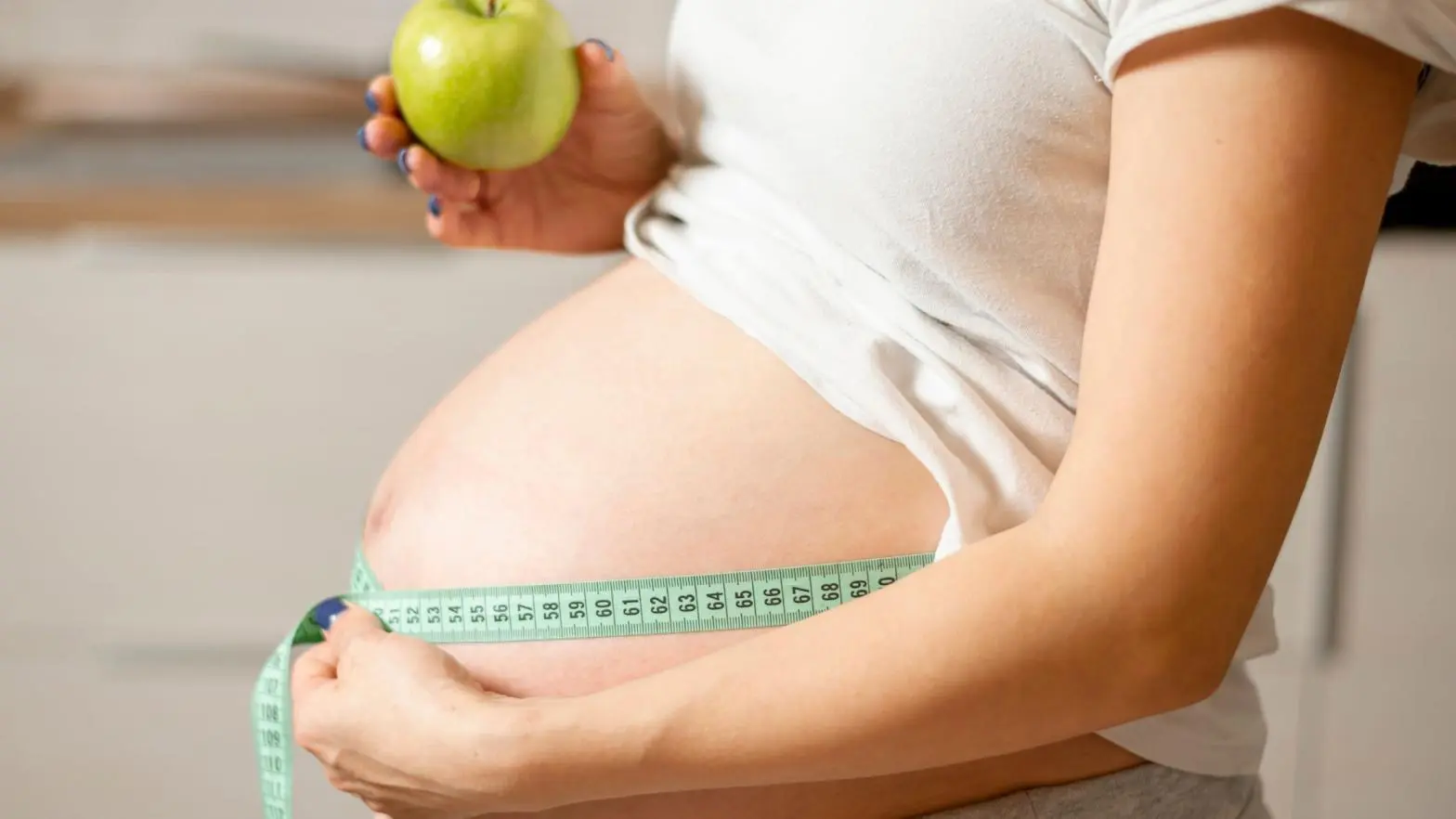
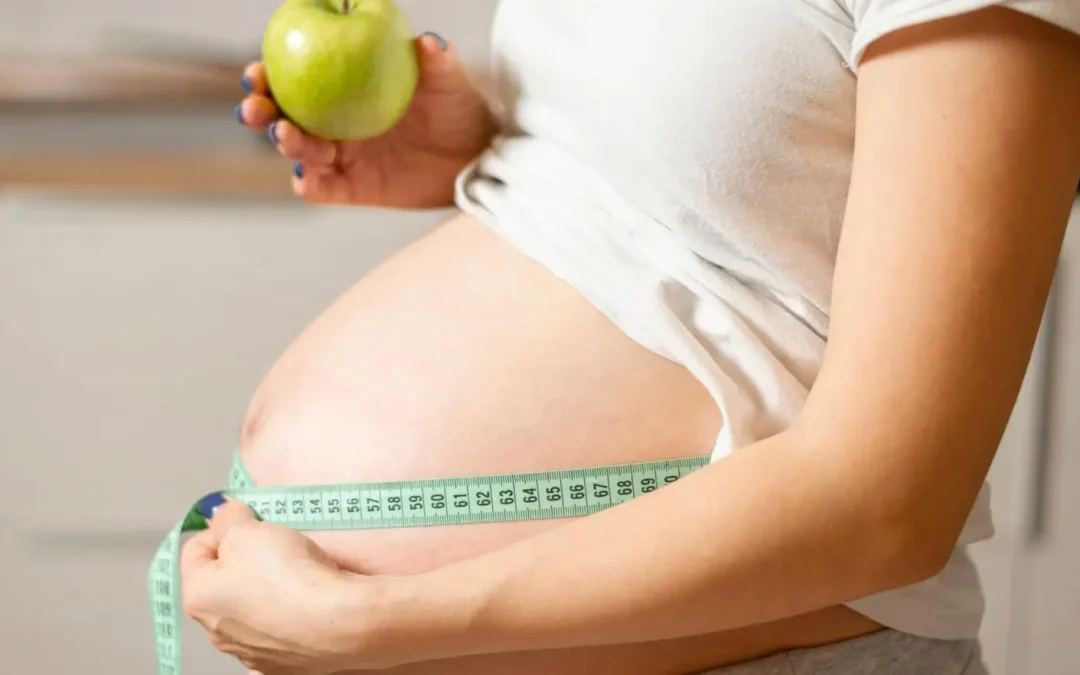
Pregnancy is a beautiful phase of life, but it comes with many physical and emotional changes, including weight gain.
While gaining weight is a natural part of pregnancy, it can also be a source of concern or confusion for many.
Understanding what’s normal, why it matters, and how to manage it can help you have a healthier pregnancy.
Weight gain during pregnancy is essential for the healthy growth and development of your baby.
It supports the baby’s development, provides energy reserves for breastfeeding, and contributes to the formation of the placenta, amniotic fluid, and increased blood volume.
However, excessive or insufficient weight gain can carry risks, making it important to strike the right balance.
Recommended Weight Gain During Pregnancy
How much weight you should gain depends on your pre-pregnancy Body Mass Index (BMI). Here’s a general guideline provided by healthcare experts:
- Underweight (BMI < 18.5): Gain 28–40 pounds (12.5–18 kg).
- Normal weight (BMI 18.5–24.9): Gain 25–35 pounds (11.5–16 kg).
- Overweight (BMI 25–29.9): Gain 15–25 pounds (7–11.5 kg).
- Obese (BMI ≥ 30): Gain 11–20 pounds (5–9 kg).
Your doctor may adjust these recommendations based on your specific health needs or if you’re carrying twins or multiples.
What Affects Pregnancy Weight Gain?
Several factors influence how much weight you gain during pregnancy, such as:
- Starting Weight: Your pre-pregnancy BMI provides a baseline for the ideal weight gain range.
- Diet and Nutrition: Eating nutrient-dense foods vs. high-calorie, low-nutrition foods can impact your weight.
- Activity Level: Exercising during pregnancy helps manage healthy weight gain and reduces excess fat.
- Metabolism: Every body processes food differently, which can affect weight changes.
- Underlying Conditions: Conditions like gestational diabetes or thyroid disorders may impact weight.
Risks of Excessive vs. Insufficient Weight Gain
Both too much and too little weight gain during pregnancy can carry potential risks for the mother and baby.
⇒Risks of Excessive Weight Gain
- For the Mother: Increased chances of gestational diabetes, high blood pressure, and complications during labor. Excess weight is also harder to lose postpartum.
- For the Baby: Higher risk of preterm birth, larger baby size (macrosomia), and long-term health conditions such as obesity or diabetes.
⇒Risks of Insufficient Weight Gain
- For the Mother: Higher risk of malnutrition and reduced energy for labor and postpartum recovery.
- For the Baby: Low birth weight, preterm delivery, and developmental delays.
Tips for Healthy Weight Management During Pregnancy
Managing weight during pregnancy doesn’t mean dieting or restricting food. It’s about making healthier choices to benefit both you and your baby.
1. Prioritize Pregnancy Nutrition
- Focus on nutrient-dense foods: Incorporate fruits, vegetables, whole grains, lean proteins, and healthy fats.
- Don’t skip meals: Eating smaller, balanced meals throughout the day can help regulate blood sugar and reduce nausea.
- Stay hydrated: Drink plenty of water to aid digestion and prevent dehydration.
2. Stay Active with Exercise
- Engage in pregnancy-safe activities: Try walking, yoga, or swimming for low-impact exercise.
- Work with your doctor: If you were active before pregnancy, continue with modified exercises under your provider’s guidance.
3. Monitor Weight Regularly
- Regular check-ups: Your healthcare provider will track your weight gain during prenatal visits to ensure it stays within the recommended range.
- Self-monitoring: Weigh yourself weekly if recommended, and share concerns with your doctor.
4. Avoid “Eating for Two” Mindset
While pregnancy increases calorie needs, overeating can lead to excessive weight gain. Instead of doubling portions, focus on adding about 300–500 extra calories per day in the second and third trimesters.
When to Seek Medical Guidance?
It’s normal to have fluctuations in weight gain, but certain signs warrant immediate medical attention. Contact your Pregnancy consultant if you experience:
- Sudden, rapid weight gain (a sign of possible preeclampsia).
- Consistently gaining less or more than recommended.
- Concerns about your diet or exercise regimen.
Final Thoughts
Pregnancy weight gain can feel overwhelming, but understanding the facts can help reduce anxiety.
The goal isn’t about hitting a specific number on the scale but about creating the healthiest environment for your baby’s growth and your well-being.
With proper nutrition, regular activity, and guidance from your healthcare provider, you can manage a healthy pregnancy weight.
Remember, each pregnancy is unique, so work with your doctor to develop a plan tailored to your individual needs.
With the right approach, you’ll set yourself and your baby up for a healthy and impactful start in life.

-
About Author
Dr. Supriya Puranik
Gynaecologist & IVF Specialist
MMC -072514 (1993)
Dr. Supriya Puranik, a renowned gynaecologist and infertility expert, leads the IVF & Gynaecology department at Sahyadri Hospitals Momstory in Shivaji Nagar, Pune. She is committed to helping couples overcome infertility challenges.