How to Sleep After Laparoscopic Surgery?
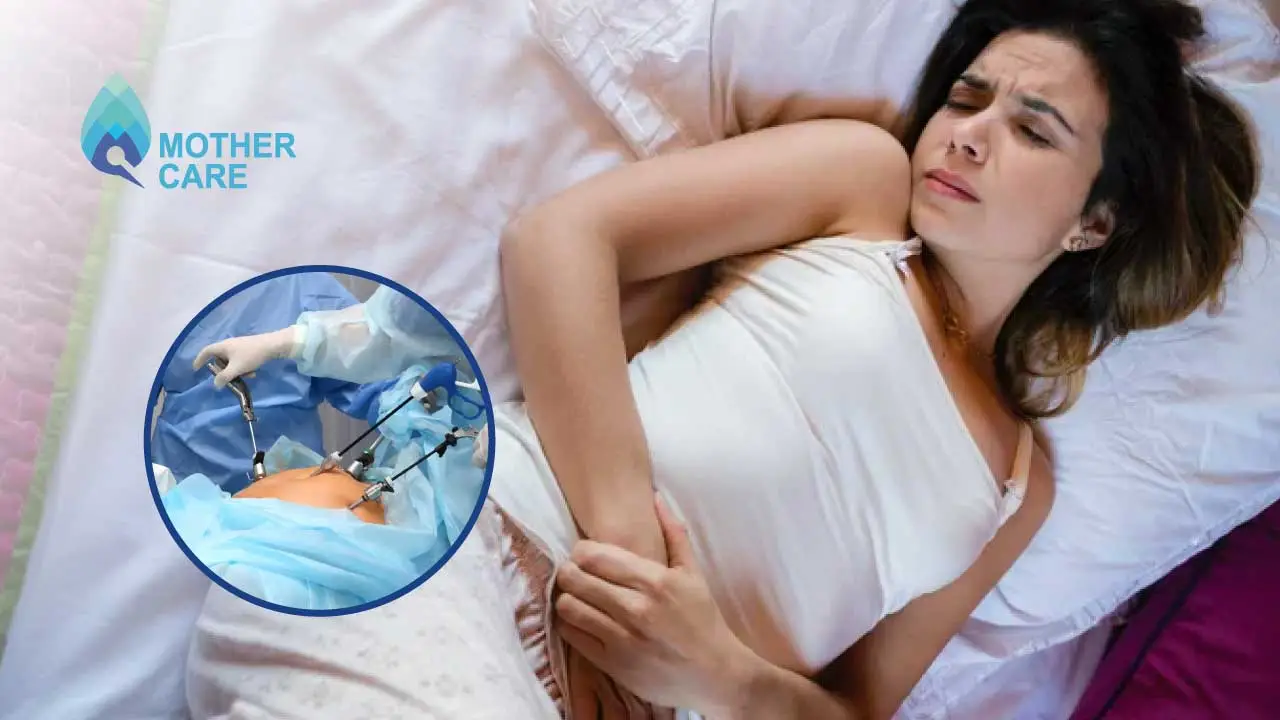
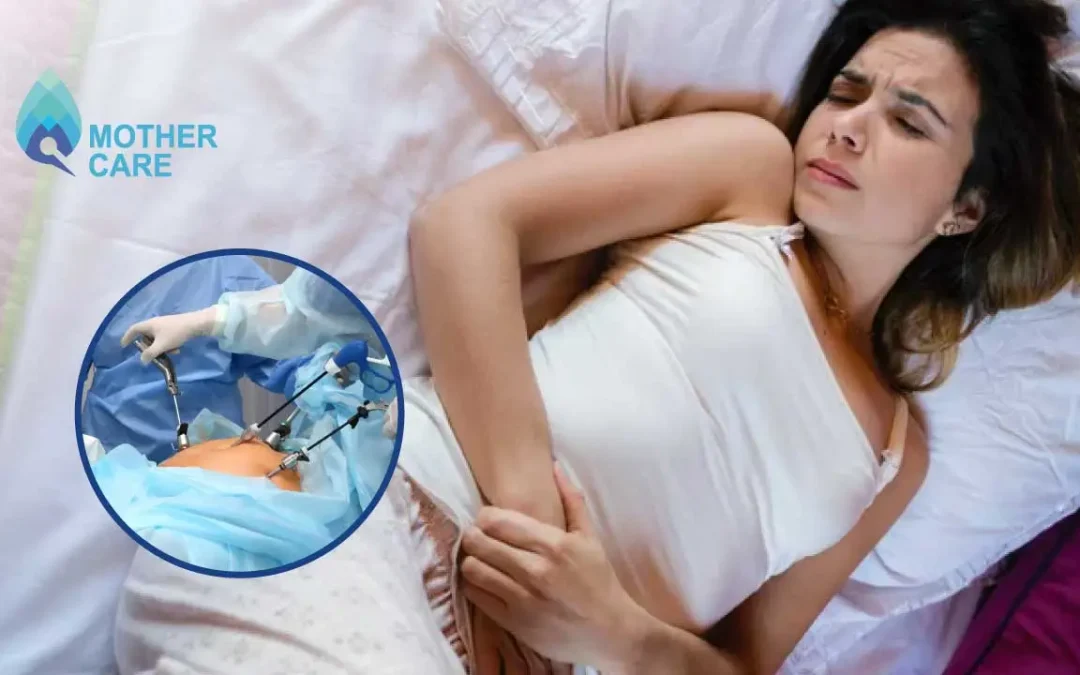
Most people find the first 2 to 3 nights the hardest. Bloating, gas pain in the shoulder and tender cuts make it hard to get comfortable. This usually improves day by day. If pain gets worse instead of better, call your doctor.
- Best position: on your back, upper body raised, knees supported
- Side sleeping: usually fine after a few days, on the side away from the cuts
- Avoid: lying on your stomach, curling up tightly, twisting
- Getting up: roll to your side first, then push up with your arms
- First 24 hours: no sleeping tablets or alcohol after general anaesthesia
- Call your doctor if: pain keeps rising, fever, breathlessness, chest pain or leg swelling
This article is general guidance. Always follow the specific advice your surgeon gives you.
- Trapped gas. During laparoscopy, gas is pumped into your tummy so the surgeon can see inside. It is let out at the end, but some stays behind. The NHS lists bloating, cramps and shoulder pain as common after the operation.
- Shoulder-tip pain. The leftover gas irritates the diaphragm. The nerve there sends the pain signal to your shoulder, so your shoulder hurts even though it was never touched. A 2022 study on gynaecological laparoscopy notes that where the gas collects may shift with body position. This is why lying completely flat can feel worse.
- Sore cuts and tummy muscles. Turning over uses your core muscles, which pulls on the cuts.
- Anaesthesia and pain medicines. You may feel groggy, sick or unusually tired for a day.
- Hospital routine and worry. A review on post-operative sleep found sleep problems are common after surgery and can slow recovery.
Best sleeping positions after laparoscopic surgery
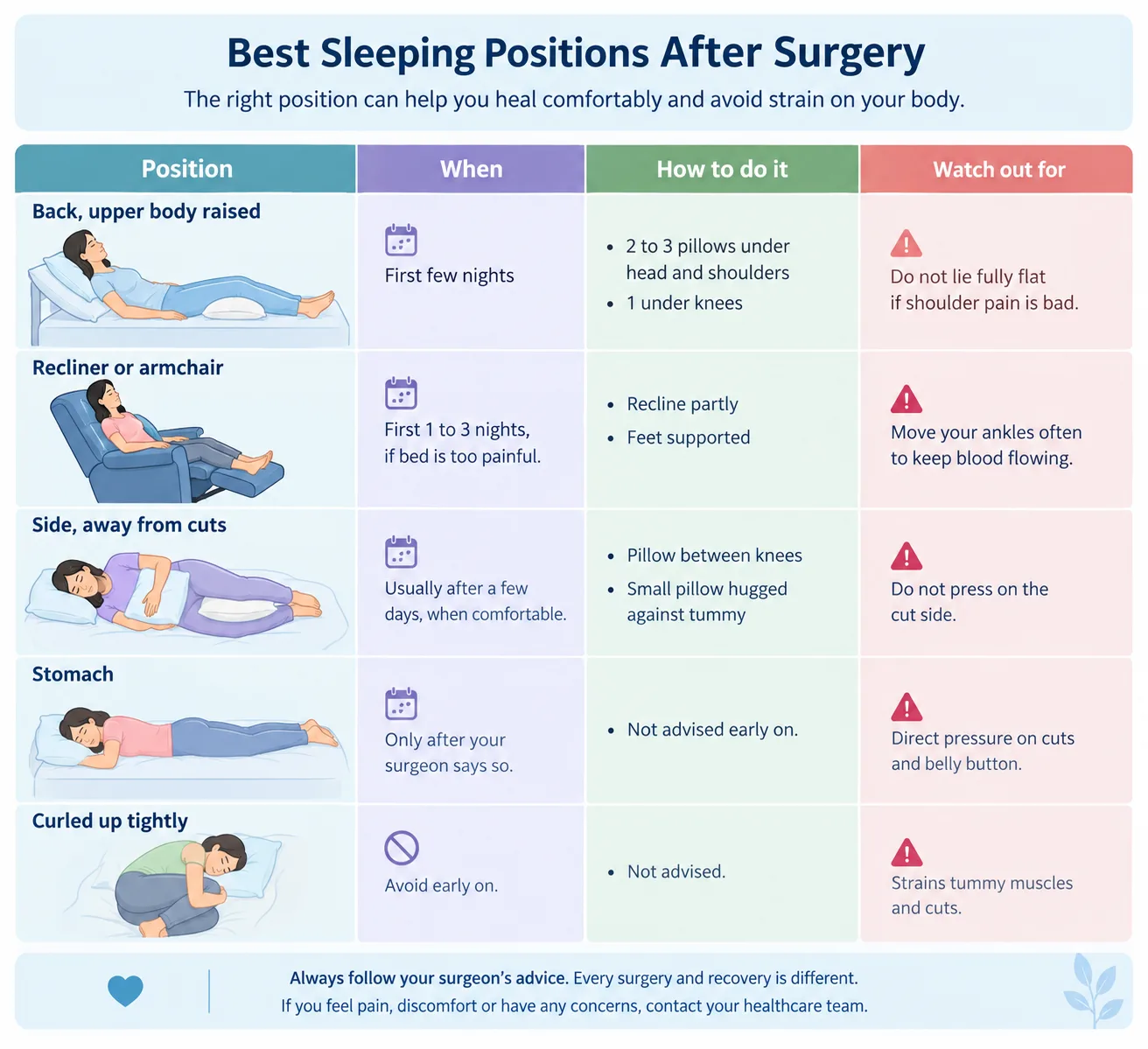
| Position | When | How to do it | Watch out for |
| Back, upper body raised | First few nights | 2 to 3 pillows under head and shoulders, 1 under knees | Do not lie fully flat if shoulder pain is bad |
| Recliner or armchair | First 1 to 3 nights, if bed is too painful | Recline partly, feet supported | Move your ankles often to keep blood flowing |
| Side, away from cuts | Usually after a few days, when comfortable | Pillow between knees, small pillow hugged against tummy | Do not press on the cut side |
| Stomach | Only after your surgeon says so | Not advised early on | Direct pressure on cuts and belly button |
| Curled up tightly | Avoid early on | Not advised | Strains tummy muscles and cuts |
Most women who have had pelvic laparoscopy have cuts near the belly button and low on both sides. Here, back sleeping is usually more comfortable than either side at first. If all your cuts are on one side, sleep on the other side.
How to get in and out of bed without pain
- Sit on the edge of the bed, near the pillows.
- Lower your upper body onto your side, using your arms to take the weight.
- Lift your legs onto the bed together.
- Roll onto your back as one unit, shoulders and hips together.
- To get up, do it in reverse: roll to your side, drop your legs over the edge, then push up with your arms.
Hold a small pillow firmly against your tummy if you need to cough, sneeze or laugh. It gives support and eases the pull on the cuts.
Practical tips for a better night
- Take the pain relief your doctor prescribed on time. Do not wait for pain to peak at night.
- Walk gently around the house in the evening. The NHS advises moving around as much as you can. Walking helps gas move and lowers clot risk.
- Eat a small, light dinner. A heavy meal adds to bloating.
- Drink enough water through the day, but less just before bed to avoid many night-time bathroom trips.
- Keep water, medicines, your phone and a light within reach.
For shoulder-tip pain
- Raise your upper body with pillows instead of lying flat.
- Try a warm (not hot) compress on the shoulder. Never put heat on your cuts.
- Short walks and changing position help the gas get absorbed.
What to avoid in the first 24 to 48 hours
- Sleeping tablets and alcohol. An NHS day-surgery leaflet advises no alcohol, smoking or sleeping tablets for 24 hours after a general anaesthetic. The NHS advises no alcohol for 48 hours.
- Any over-the-counter sleep aid you have not cleared with your doctor. These can add to the drowsiness from pain medicines.
- Tea, coffee or cola late in the day.
If you use a CPAP machine for sleep apnoea, tell your surgical team before surgery and use it after. Pain medicines can affect breathing during sleep.
While resting in bed
- Move your ankles in circles and flex your feet. The NHS recommends foot and leg exercises while resting.
- Wear compression stockings if you were given them.
How long will sleep be difficult?
| Time after surgery | What you may feel | Sleep approach |
| Night 1 | Groggy, bloated, shoulder pain, sore throat | Back, well propped up; someone at home with you |
| Nights 2 to 3 | Gas and cut pain, often the toughest nights | Propped up; walk before bed; pain relief on schedule |
| Days 4 to 7 | Shoulder pain easing, cuts less tender | Lower the pillows; try side sleeping if comfortable |
| Weeks 2 and beyond | Mostly back to normal after minor procedures | Usual position, if your surgeon agrees |
These are typical patterns, not fixed rules. Longer operations, such as surgery for severe endometriosis, a large fibroid or hysterectomy, often take longer.
After gynaecological or fertility laparoscopy
- Light vaginal spotting can happen for a few days, especially if a hysteroscopy was done at the same time. Use a pad, not a tampon, unless told otherwise.
- Longer surgery means longer recovery. Excision of deep endometriosis or a myomectomy involves more internal healing, even if the cuts look small.
- Planning IVF or pregnancy after surgery? Ask your doctor when it is safe to start. The timing depends on what was found and done, so there is no single answer.
When to call your doctor at night
Some discomfort is expected. Pain that keeps getting worse is not. Based on NHS guidance:
Call your doctor or hospital promptly if you have:
- Fever, or you feel hot, cold or shivery
- Tummy pain that is getting worse, or a tummy that is increasingly bloated
- Severe or continuous vomiting
- Pain, swelling, bleeding, pus or redness around the cuts
- Unusual bleeding or discharge from the vagina or back passage
- Pain and swelling in one leg
Go to emergency immediately if you have:
- Chest pain or a very fast heartbeat
- Severe difficulty breathing
- Coughing up blood
Shoulder pain with breathlessness or chest pain is not gas pain until proven otherwise. It can be a sign of a clot in the lung and needs urgent care.
Recovering after laparoscopy in Pune
Dr. Supriya Puranik is a gynaecologist and IVF specialist in Shivajinagar, Pune, with over 30 years of practice. She performs laparoscopy and hysteroscopy for fertility-related problems such as endometriosis, fibroids and tubal assessment, and follows patients through recovery.
If you have questions about your recovery, or are planning laparoscopy as part of fertility treatment, you can book a consultation.
- Phone and WhatsApp: +91 7502519999
- OPD: Monday to Friday, 9 AM to 5 PM
- Address: Sakhar Sankul, Narveer Tanaji Wadi, Shivajinagar, Pune 411005
If you had surgery elsewhere, contact your operating surgeon first for anything urgent. They know exactly what was done.

-
About Author
Dr. Supriya Puranik
Gynaecologist & IVF Specialist
MMC -072514 (1993)
Dr. Supriya Puranik, a renowned gynaecologist and infertility expert, leads the IVF & Gynaecology department at Sahyadri Hospitals Momstory in Shivaji Nagar, Pune. She is committed to helping couples overcome infertility challenges.