Can Adenomyosis Disappear Naturally?
Quick Summary
Short answer: Adenomyosis usually does not disappear naturally on its own before menopause, but its symptoms often fade or go away after menopause, when estrogen levels drop.
Adenomyosis is a chronic condition — misplaced uterine lining tissue growing into the muscular wall of the uterus — and it depends on estrogen to keep growing.
During reproductive years, it typically stays the same or slowly worsens without treatment.
Once menopause begins (or is medically induced), falling estrogen levels can shrink the tissue and relieve heavy bleeding, cramping, and pelvic pain, though some women still have a mildly enlarged uterus afterward.
There is no proven natural remedy, diet, or lifestyle change that cures adenomyosis, but several treatments can manage symptoms effectively before menopause arrives.
What Is Adenomyosis?
Adenomyosis happens when endometrial-like tissue (the tissue that normally lines the inside of the uterus) grows into the myometrium, the muscular wall of the uterus.
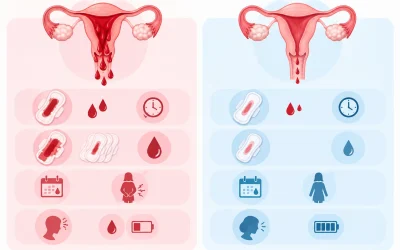
Because this tissue still responds to monthly hormonal cycles, it thickens and bleeds along with your period — but it’s now trapped inside the uterine muscle. This causes the uterus to become enlarged, tender, and inflamed, leading to painful, heavy periods.
It is sometimes called “the sister condition of endometriosis,” but the two are different:
|
Feature |
Adenomyosis |
Endometriosis |
|
Where tissue grows |
Inside the uterine muscle wall |
Outside the uterus (ovaries, pelvis, etc.) |
|
Tissue type involved |
Basal layer of the endometrium |
Functional layer of the endometrium |
|
Typical age group |
35–50 years |
Can occur at any reproductive age |
|
Common in |
Women who have given birth |
Women with or without children |
|
Diagnosis tools |
Ultrasound, MRI |
Laparoscopy, ultrasound, MRI |
|
Cure |
Hysterectomy (definitive) |
Excision surgery (not always definitive) |
Does Adenomyosis Go Away on Its Own? Key Facts
|
Question |
Answer |
|
Can it disappear before menopause without treatment? |
Rarely — it is generally considered a chronic, persistent condition during reproductive years |
|
Does it improve after menopause? |
Yes, in most cases — symptoms often fade or stop as estrogen drops |
|
Does the uterus return to normal size after menopause? |
Not always — many women still have a mildly enlarged or bulky uterus |
|
Is there a natural cure? |
No scientifically proven natural cure exists |
|
Can symptoms be managed without surgery? |
Yes — hormonal therapy, anti-inflammatory drugs, and lifestyle support can help |
|
What is the only definitive cure? |
Hysterectomy (surgical removal of the uterus) |
Why Does Adenomyosis Improve After Menopause?
The tissue growth in adenomyosis is estrogen-dependent. Estrogen is the hormone that causes the uterine lining to thicken every month. When estrogen production drops sharply at menopause:
- The misplaced tissue stops being stimulated to grow and bleed
- Inflammation and swelling in the uterine wall gradually decrease
- Heavy bleeding and cramping typically ease or stop
- The uterus may shrink somewhat, though it may not return fully to its original size
This is why doctors often say “watchful waiting” or symptom management can be a reasonable option for women who are close to menopause and have mild symptoms.
Factors That Influence Whether Symptoms Improve
- Age and proximity to menopause – the closer you are, the sooner natural symptom relief may occur
- Severity and extent of the adenomyosis (diffuse vs. focal, size of uterus)
- Whether you’re on hormone replacement therapy (HRT) after menopause — estrogen-based HRT can sometimes keep symptoms active
- Other coexisting conditions, such as fibroids or endometriosis
- Individual hormone sensitivity of the affected tissue
Can Anything Speed Up Natural Improvement?
There’s no guaranteed way to make adenomyosis disappear faster, but these approaches may help ease symptoms while your body’s hormone levels change naturally:
- Anti-inflammatory diet – reducing processed sugar, inflammatory fats, and increasing fiber, vegetables, and omega-3s
- Regular exercise – helps manage inflammation and hormonal balance
- Stress management – yoga, meditation, and adequate sleep may reduce symptom flare-ups
- Heat therapy – heating pads can ease cramping temporarily
- Weight management – excess body fat can increase circulating estrogen
- Avoiding unnecessary estrogen exposure – discuss hormone-containing medications with your doctor
Note: these are supportive, symptom-easing measures — not treatments proven to shrink or cure adenomyosis.
Medical Treatment Options (While Waiting for Natural Improvement)
|
Treatment Type |
Examples |
What It Does |
|
Pain relief |
NSAIDs (ibuprofen, naproxen) |
Reduces cramping and inflammation |
|
Hormonal therapy |
Combined birth control pills, progestin IUD (levonorgestrel), GnRH agonists/antagonists |
Lowers or regulates estrogen to shrink tissue and reduce bleeding |
|
Non-hormonal medication |
Tranexamic acid |
Reduces heavy menstrual bleeding |
|
Minimally invasive procedures |
Uterine artery embolization, MRI-guided focused ultrasound |
Shrinks adenomyotic tissue without full surgery |
|
Surgery (uterus-sparing) |
Adenomyomectomy |
Removes localized adenomyosis tissue, preserves fertility |
|
Surgery (definitive) |
Complete cure — only recommended when childbearing is complete |
Symptoms to Watch For
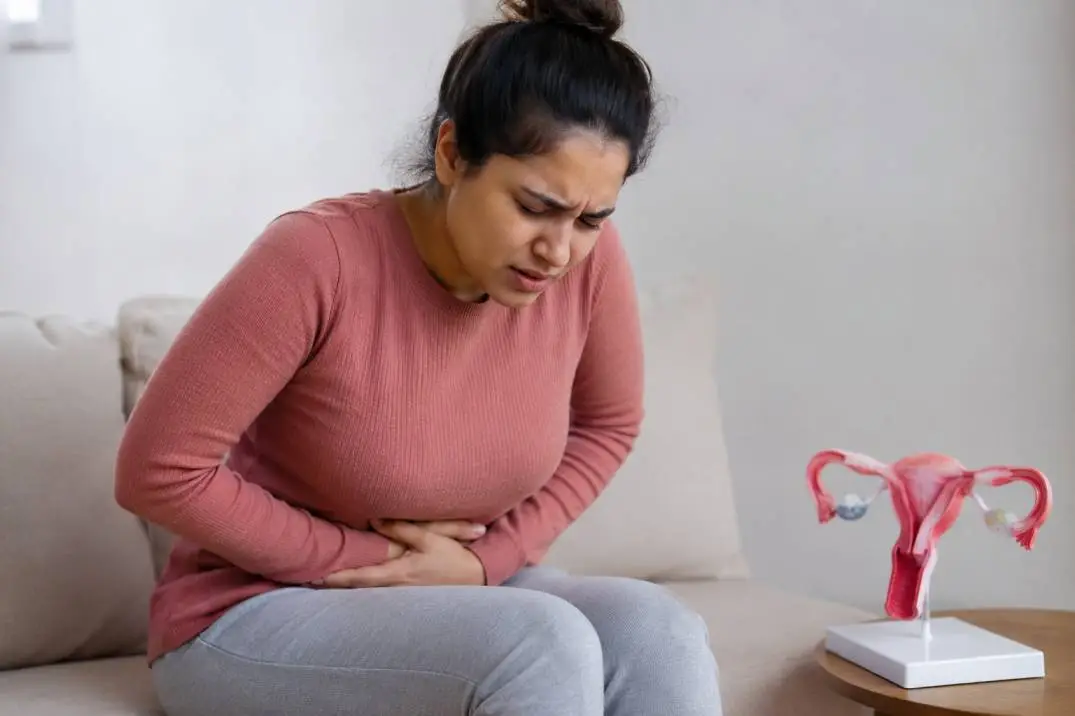
- Heavy or prolonged menstrual bleeding
- Severe menstrual cramps or pelvic pain
- Pain during intercourse
- A feeling of pressure, fullness, or bloating in the lower abdomen
- An enlarged, tender uterus
- Fatigue or anemia symptoms from blood loss
If you experience any of these, especially extremely heavy periods or severe pain, talk to a healthcare provider rather than waiting for natural resolution.
Adenomyosis and Fertility
Many women with adenomyosis can still conceive, though the condition may:
- Make conception somewhat harder
- Slightly increase the risk of miscarriage
- Slightly increase the risk of preterm labor
Pregnancy planning with adenomyosis is best discussed with a fertility specialist or OB-GYN, particularly if trying to conceive after age 35.
Frequently Asked Questions
1.Does adenomyosis go away after menopause? In most cases, yes — symptoms like heavy bleeding and cramping typically fade or stop after menopause because estrogen levels drop. However, the uterus may remain somewhat enlarged.
2.Can adenomyosis shrink without medication? It can shrink naturally as estrogen declines with age, particularly near and after menopause. It rarely shrinks significantly during the reproductive years without treatment.
3.Is adenomyosis dangerous or cancerous? No. Adenomyosis is a benign (non-cancerous) condition. It can be painful and disruptive but is not life-threatening.
4.What is the only permanent cure? Hysterectomy (surgical removal of the uterus) is the only definitive cure.
5.Can lifestyle changes cure adenomyosis? No lifestyle change has been proven to cure it, but diet, exercise, and stress management may help ease symptoms.
6.Should I just wait for menopause instead of treating it? This depends on your age, symptom severity, and uterus size. Mild symptoms in women close to menopause may be managed with “watchful waiting,” but severe symptoms usually need active treatment. This decision should be made with your doctor.
Bottom Line
Adenomyosis is a chronic, estrogen-driven condition that generally does not disappear on its own during the reproductive years.
The most common form of “natural” improvement happens after menopause, when falling estrogen levels cause symptoms to ease or resolve — though the uterus doesn’t always return fully to normal size.
Until then, a combination of medical treatment, symptom management, and healthy lifestyle habits is the most realistic path to relief.
Anyone with concerning symptoms should consult a gynecologist for proper diagnosis and a personalized treatment plan.
This article is for general educational purposes and is not a substitute for professional medical advice. Please consult a qualified healthcare provider for diagnosis and treatment tailored to your situation.

-
About Author
Dr. Supriya Puranik
Gynaecologist & IVF Specialist
MMC -072514 (1993)
Dr. Supriya Puranik, a renowned gynaecologist and infertility expert, leads the IVF & Gynaecology department at Sahyadri Hospitals Momstory in Shivaji Nagar, Pune. She is committed to helping couples overcome infertility challenges.