Can I Get Pregnant with Endometrial Polyp?
ON THIS PAGE
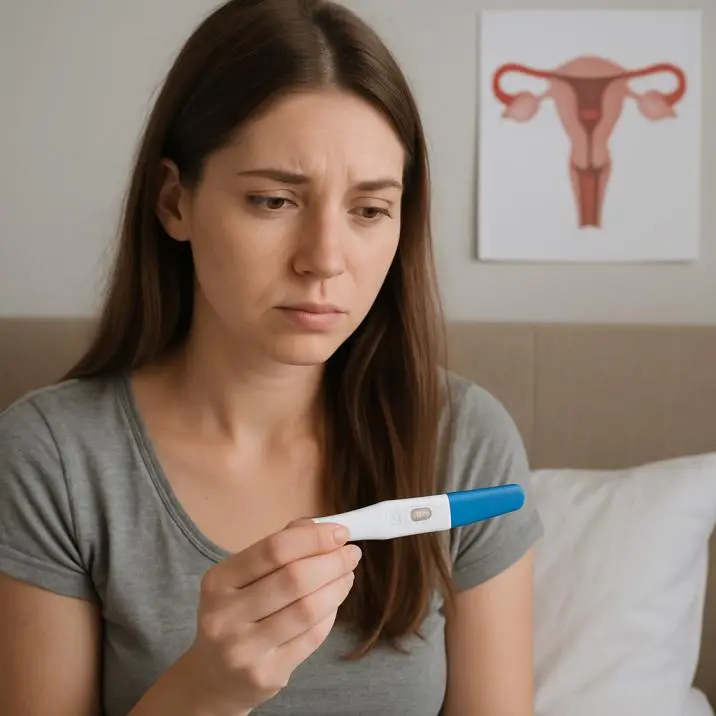
Endometrial polyps, sometimes referred to as uterine polyps, are common growths that develop in the lining of the uterus. They are usually benign (non-cancerous), but their presence can occasionally interfere with a woman’s ability to conceive.
Understanding how they impact fertility can provide clarity and guidance for anyone trying to start or grow their family.
What Are Endometrial Polyps?
Endometrial polyps are overgrowths of the uterine lining (endometrium). They can vary in size, from being as small as a sesame seed to as large as a golf ball.
Polyps can form as single growths or multiples, and while some women may not even realize they have them, others may experience symptoms such as abnormal bleeding, spotting between periods, or heavier menstrual cycles.
Polyps might be discovered during an examination for abnormal bleeding or while investigating fertility issues. They are more common in women over 40 but can occur at any age.
Do Endometrial Polyps Affect Fertility?
Yes, endometrial polyps can have an impact on fertility, although not all women with polyps will struggle to conceive.
The location, size, and number of polyps are often key factors. Here’s how they might interfere with pregnancy:
1. Disrupting Implantation
When you’re trying to conceive, a fertilized embryo needs to implant in your uterine lining to grow and develop. Polyps can create a physical barrier or disrupt the environment in the uterus, making it harder for an embryo to implant successfully.
2. Causing Chronic Inflammation
Polyps can trigger inflammation in the uterus, as your body may recognize them as a foreign object. This inflammation can affect the uterine environment and reduce the chances of successful implantation.
3. Increasing Miscarriage Risk
Women with polyps may face a higher risk of miscarriage, as the abnormalities in the uterine lining can prevent a pregnancy from progressing as it should.
4. Blocking the Fallopian Tubes
Polyps can occasionally develop near the openings of the fallopian tubes, where they meet the uterus. This can restrict the movement of an egg or prevent sperm from reaching the egg for fertilization.
Can You Get Pregnant Naturally If You Have Polyps?
It is possible to conceive naturally if you have endometrial polyps, especially if they are small or located in less problematic areas of the uterus.
However, the likelihood of conception depends on various factors, including the severity of your symptoms and the underlying causes of any difficulties in conceiving.
Studies have shown that women with untreated polyps tend to have lower pregnancy rates compared to those who undergo polyp removal.
If you’ve been trying to conceive for an extended period without success, it’s worth discussing the role of polyps with your doctor.
Dr. Supriya Puranik, a leading pregnancy specialist in Pune, offers expert guidance and personalized care to help you navigate such challenges—book a consultation today to take the next step toward your parenthood journey.
Should Polyps Be Treated for Better Pregnancy Chances?
If polyps are found during a fertility evaluation, removal is often recommended to improve your chances of conceiving. Here’s why treatment can make a difference:
1. Increased Pregnancy Rates After Removal
Research indicates that women who undergo a procedure called hysteroscopic polypectomy to remove polyps have significantly higher chances of conceiving. For example, women with fertility challenges often see pregnancy rates increase dramatically after removing their polyps.
2. Reduced Risk of Miscarriage
Removing polyps helps create a healthier uterine lining, reducing the risk of miscarriage and providing a more stable environment for pregnancy.
3. Addressing Related Symptoms
If you’re experiencing heavy bleeding, spotting, or other symptoms, treating polyps can eliminate these issues and improve your overall quality of life.
The procedure to remove polyps is minimally invasive. Hysteroscopy, where a thin, telescope-like instrument is inserted through the cervix to visualize and remove the polyp, is a common method. Recovery is usually quick, and most women resume normal activities within a couple of days.
What Should You Do If You’re Trying to Conceive with Endometrial Polyps?
1. Get a Fertility Evaluation
If you’ve been trying to conceive for over a year (or six months if you’re over 35), it’s time to consult a fertility specialist. They will assess whether polyps or other factors are affecting your fertility.
2. Don’t Delay Treatment
If polyps are found, discuss the benefits of removal with your doctor. While not all polyps cause fertility issues, removing them can often be a proactive step in improving your chances of pregnancy.
3. Track Your Menstrual Symptoms
If you notice unusual bleeding, heavier periods, or spotting between cycles, mention these symptoms during your appointments. They may point to underlying issues like polyps.
4. Stay Positive and Proactive
Many women with polyps go on to have successful pregnancies, either naturally or with assistance like intrauterine insemination (IUI) or in vitro fertilization (IVF). Removing barriers like polyps is just one part of optimizing your fertility.
When to Seek Medical Help?
If you’ve been diagnosed with endometrial polyps but are unsure about the best course of action:
- Consult a fertility specialist if you’ve been trying to conceive without success.
- Consider polyp removal if your doctor identifies them as a potential obstacle to pregnancy or as the cause of other symptoms.
- Follow up regularly to monitor your reproductive health and address any recurrence of polyps.
Final Thoughts
While endometrial polyps can sometimes complicate the path to pregnancy, they are a treatable issue.
If polyps are contributing to difficulty conceiving, removing them can often restore your fertility potential and improve your chances of starting or expanding your family.
The most important step is to work closely with your healthcare provider to create a plan that’s tailored to your unique needs and goals.
You’re not alone in this, and with the right guidance and care, a healthy pregnancy can still be well within reach.

-
About Author
Dr. Supriya Puranik
Gynaecologist & IVF Specialist
MMC -072514 (1993)
Dr. Supriya Puranik, a renowned gynaecologist and infertility expert, leads the IVF & Gynaecology department at Sahyadri Hospitals Momstory in Shivaji Nagar, Pune. She is committed to helping couples overcome infertility challenges.