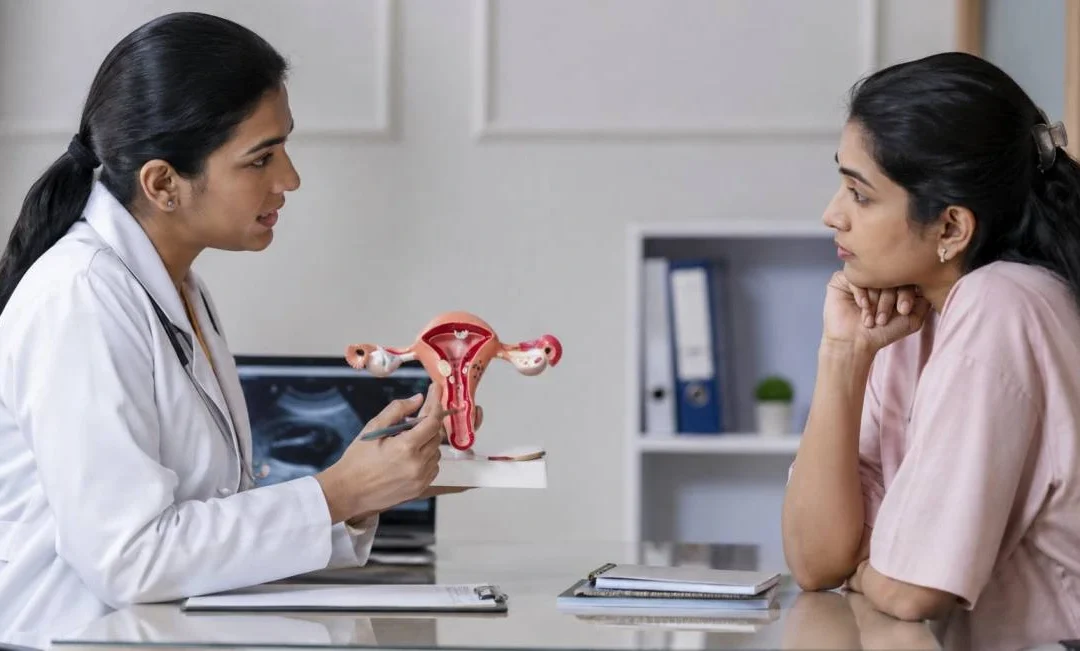
Can an Adenomyosis Patient Do IVF?
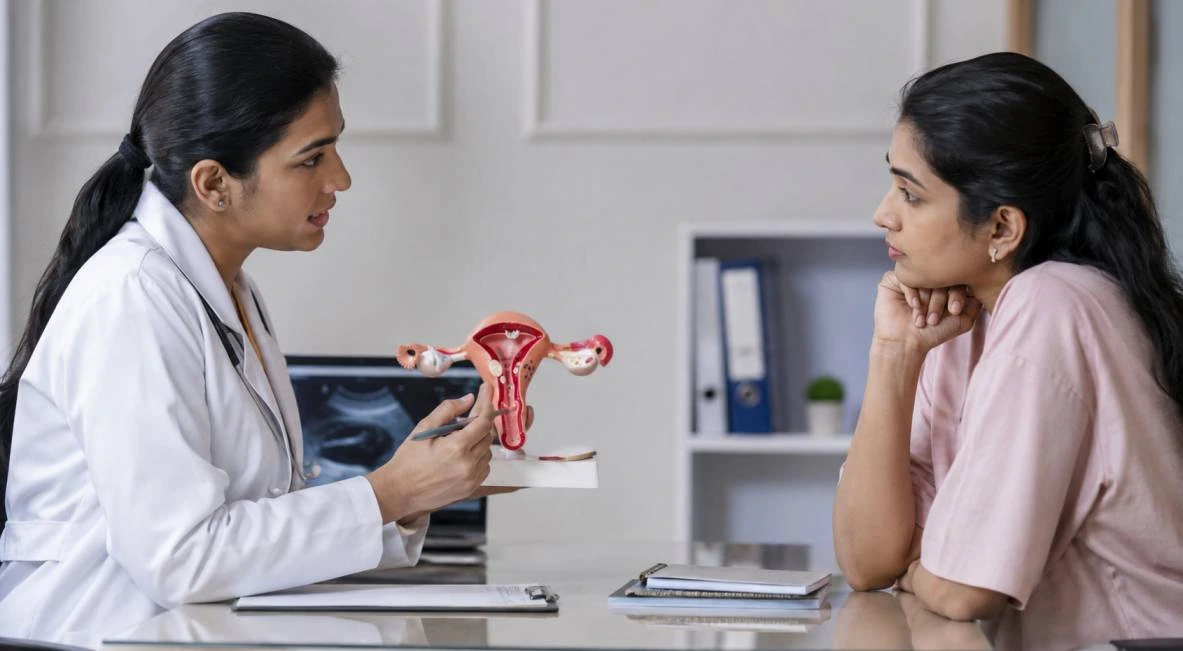
Quick Summary
Yes, a woman with adenomyosis can do IVF. Adenomyosis does not stop you from doing IVF.
But it can lower your chances a little, and it can raise the risk of miscarriage.
With the right treatment plan before and during IVF, many adenomyosis patients still become pregnant and have healthy babies.
In my clinic, I always treat the adenomyosis first, then plan the IVF cycle carefully.
I am Dr. Supriya Puranik, and in this blog, I will explain adenomyosis and IVF in very simple words.
I will also tell you what I usually recommend to my patients.
What Is Adenomyosis?
Adenomyosis is a condition where the inner lining of the uterus (called the endometrium) grows into the muscle wall of the uterus (called the myometrium).
This makes the uterus thick, heavy, and sometimes painful.
It is different from endometriosis, where the same type of tissue grows outside the uterus.
Adenomyosis is common. Studies show it is found in about 7% to 27% of women who have trouble getting pregnant, and in up to 32% of women who come for IVF.
Common signs of adenomyosis:
- Heavy periods
- Painful periods that get worse over the years
- Pain during sex
- A heavy or swollen feeling in the lower belly
- Trouble getting pregnant
Some women have no symptoms at all. I often find adenomyosis only when I do an ultrasound scan for fertility check-up.
Can an Adenomyosis Patient Do IVF?
Yes. Adenomyosis is not a reason to say no to IVF. I have helped many patients with adenomyosis get pregnant through IVF.
What changes is the plan. I usually adjust the treatment based on how mild or severe the adenomyosis is.
There are two types of adenomyosis that matter for IVF planning:
1.Focal adenomyosis – a small patch in one area of the uterus. This usually has less effect on IVF success.
2.Diffuse adenomyosis – spread across a large part of the uterus. This can lower success rates more and needs closer attention.
Does Adenomyosis Lower IVF Success Rates?
Yes, research shows adenomyosis can lower IVF success a little, but most patients can still succeed with the right care.
Here is what studies have found, in simple terms:
|
IVF Outcome |
Women Without Adenomyosis |
Women With Adenomyosis |
|
Clinical pregnancy rate |
Slightly higher |
Slightly lower |
|
Implantation rate |
Higher |
Lower |
|
Live birth rate |
Higher |
Lower |
|
Miscarriage rate |
Lower |
Higher |
For example, one large study found the live birth rate was about 31.5% in women without adenomyosis, compared to about 26% in women with adenomyosis.
Miscarriage rate was about 17.2% without adenomyosis, versus 29.1% with adenomyosis.
This does not mean IVF will fail. It means we need a smarter plan, closer monitoring, and sometimes pre-treatment before the embryo transfer.
Why Does Adenomyosis Affect IVF?
I explain it to my patients like this: adenomyosis changes the “soil” of the uterus, so the “seed” (embryo) finds it harder to settle in properly.
Adenomyosis can affect IVF in these ways:
- It makes the uterus muscle stiff and less flexible
- It disturbs normal blood flow to the uterus lining
- It causes low-grade inflammation inside the uterus
- It can distort the shape of the uterine cavity
- It may reduce how well the embryo attaches (implantation)
Important note: Adenomyosis usually does not affect your eggs or embryo quality. The main problem is with the uterus environment, not the embryo itself.
What Treatment Do I Recommend Before IVF for Adenomyosis Patients?
Before starting IVF, I usually suggest calming down the adenomyosis first. This gives the uterus a better chance to accept the embryo.
Common pre-IVF treatment options:
|
Treatment |
What It Does |
|
GnRH agonist injections |
Shrinks the adenomyosis and lowers inflammation for a few months before transfer |
|
Progestin therapy |
Controls hormone levels and reduces uterine irritation |
|
LNG-IUS (hormonal device) |
Helps control heavy bleeding and pain |
|
Frozen embryo transfer (FET) |
Allows the uterus to recover and prepare properly, instead of a fresh transfer |
|
Surgery (adenomyomectomy) |
Considered only in select, severe cases, not for every patient |
In my practice, I prefer frozen embryo transfer over fresh transfer for most adenomyosis patients. This gives the uterus time to settle after ovarian stimulation, which usually improves the chances of implantation.
Is Frozen Embryo Transfer Better Than Fresh Transfer for Adenomyosis?
In most cases, yes. I generally recommend freezing the embryos first, treating the adenomyosis for a few weeks to months, and then doing the transfer once the uterus lining looks healthy on ultrasound.
This step-by-step approach tends to work better than rushing into a fresh transfer in the same cycle.
What Are the Risks During Pregnancy for Adenomyosis Patients?
If you do get pregnant with adenomyosis, I keep a closer watch on you throughout the pregnancy. Adenomyosis is linked with a slightly higher chance of:
- Miscarriage
- Preterm birth (early delivery)
- Placenta previa (low-lying placenta)
- Preeclampsia (high blood pressure in pregnancy)
Please do not let this list scare you. Most women with adenomyosis who conceive go on to have a normal, healthy pregnancy.
I simply schedule more frequent scans and check-ups to catch any problem early.
What Should You Do If You Have Adenomyosis and Want IVF?
Here is the simple step-by-step approach I follow with my patients:
- Get a proper diagnosis – Transvaginal ultrasound or MRI to confirm adenomyosis and check if it is focal or diffuse.
- Check ovarian reserve – Blood tests (AMH) and ultrasound to see your egg count.
- Treat the adenomyosis first – Medicine to shrink and calm the uterus before transfer.
- Choose frozen embryo transfer – Give the uterus time to heal and prepare.
- Monitor the uterus lining – Make sure it looks healthy before placing the embryo.
- Extra care during pregnancy – Closer monitoring once you conceive.
Final Thoughts From Dr. Supriya Puranik
If you have adenomyosis and you are worried about IVF, please do not lose hope.
Yes, adenomyosis can make things a bit more challenging, but it does not close the door on your dream of becoming a mother.
With the right pre-treatment, the right timing, and close monitoring, I have seen many of my adenomyosis patients hold their babies in their arms.
Every woman’s case is different, so please get a personal evaluation done before starting your IVF journey.
Frequently Asked Questions
Q1. Can adenomyosis be cured before IVF?
Adenomyosis cannot be fully cured with medicine, but it can be controlled well enough to improve your chances of a successful IVF.
Q2. Does adenomyosis affect egg quality?
No, adenomyosis mainly affects the uterus, not the eggs. Egg and embryo quality are usually normal.
Q3. How long should adenomyosis be treated before IVF?
This depends on the severity, but I usually suggest a few months of hormonal treatment before attempting embryo transfer.
Q4. Is surgery needed for adenomyosis before IVF?
Not always. Surgery is considered only in select, severe cases. Most patients do well with hormonal treatment and frozen embryo transfer.
Disclaimer: This blog is for general information only and is not a substitute for a personal medical consultation. Please visit a fertility specialist for advice based on your own health condition.

-
About Author
Dr. Supriya Puranik
Gynaecologist & IVF Specialist
MMC -072514 (1993)
Dr. Supriya Puranik, a renowned gynaecologist and infertility expert, leads the IVF & Gynaecology department at Sahyadri Hospitals Momstory in Shivaji Nagar, Pune. She is committed to helping couples overcome infertility challenges.